

Peru Case Study: Adding Bumper Boats Without an Existing Water Area
A Peru family entertainment park operator met QIQU at IAAPA Expo 2024 in Orlando and later ordered pirate bumper boats, kids bumper boats, PE bumper cars, electric single bumper cars and a 10 x 18 m support-frame pool. The project shows how a venue without an existing lake or pool can still add a commercial water ride area, while keeping bumper cars in a separate outdoor operating space.
Emily
Founder of QIQU
Peru Case Study: Adding Bumper Boats Without an Existing Water Area
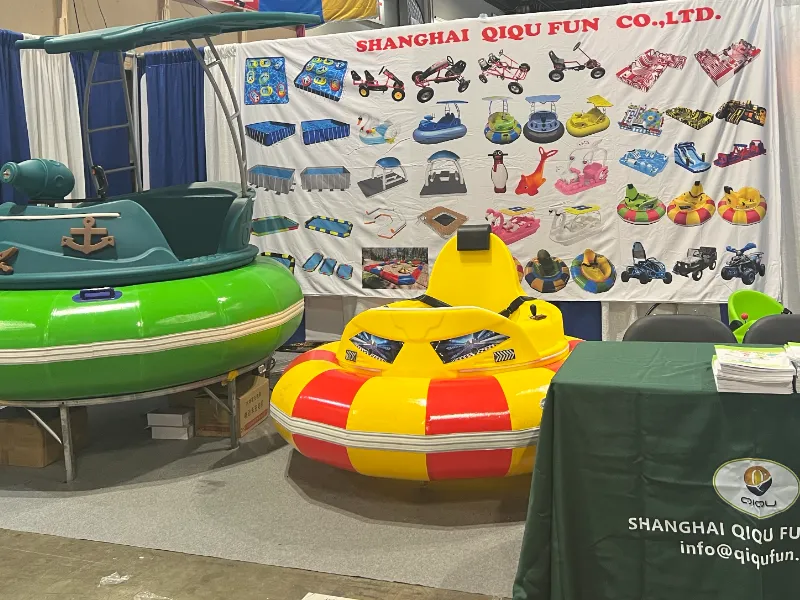 Our booth at the IAAPA Expo Orlando on November 16, 2024, showcasing our commercial water and land ride series.
Some amusement venues want to add bumper boats, but they do not have a lake, pond or built-in pool ready for operation. This Peru project is a useful example of how that problem can be handled in a practical way.
In 2024, QIQU met a Peru family entertainment park operator at IAAPA Expo 2024 in Orlando. The buyer was interested in both land-based and water-based attractions, but the site did not have a dedicated water area for bumper boats. After the show, the project developed into a combined order: commercial PE bumper boats, kids bumper boats, bumper cars and a 10 x 18 m support-frame pool.
The final plan was not a single-product purchase. It was a small attraction system built around the buyer's available outdoor space.
First Contact at IAAPA Expo 2024 in Orlando
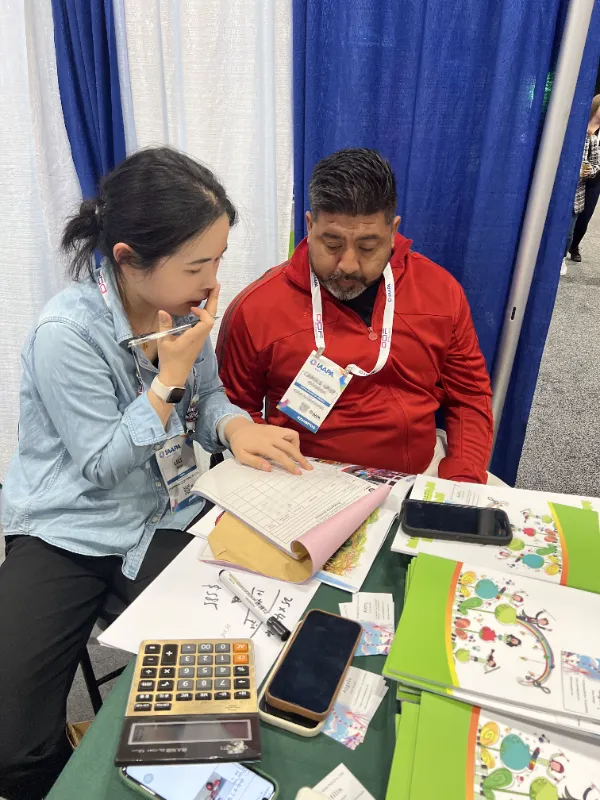 QIQU first met the Peru buyer on November 18, 2024, during IAAPA Expo 2024 in Orlando. Before the show, we had no previous contact with this customer.
At the booth, the buyer reviewed the products we displayed and discussed the project directly with our team. The initial interest focused on our pirate bumper boat and two bumper car models. The buyer wanted attractions with simple operation, visible movement and strong visitor interaction.
This part matters because many international amusement equipment projects do not begin with a finished layout. Buyers often start with a general idea, then refine the product mix, quantity, space use and shipping plan after seeing the equipment in person.
From Showroom Interest to a Complete Outdoor Attraction Plan
After the exhibition, the buyer continued confirming details online. Between November 18 and December 10, 2024, the product list, voltage, quantity, spare parts and site-use logic were reviewed step by step.
The final order was placed on December 10, 2024. It included:
- 6 commercial PE pirate bumper boats
- 6 commercial kids single bumper boats
- 6 commercial PE bumper cars
- 6 commercial electric single bumper cars
- 1 support-frame pool, 10 x 18 x 1 m
The shipment was loaded on December 26, 2024. The exact arrival date in Peru is not recorded here, so we do not use it as a confirmed detail in this case study.
For international projects like this, the logistics plan is usually arranged according to the buyer's destination, cargo volume and cost efficiency. The closest suitable port and delivery route should be confirmed during the shipping stage rather than assumed in advance.
Building a Water Ride Area Without a Permanent Pool
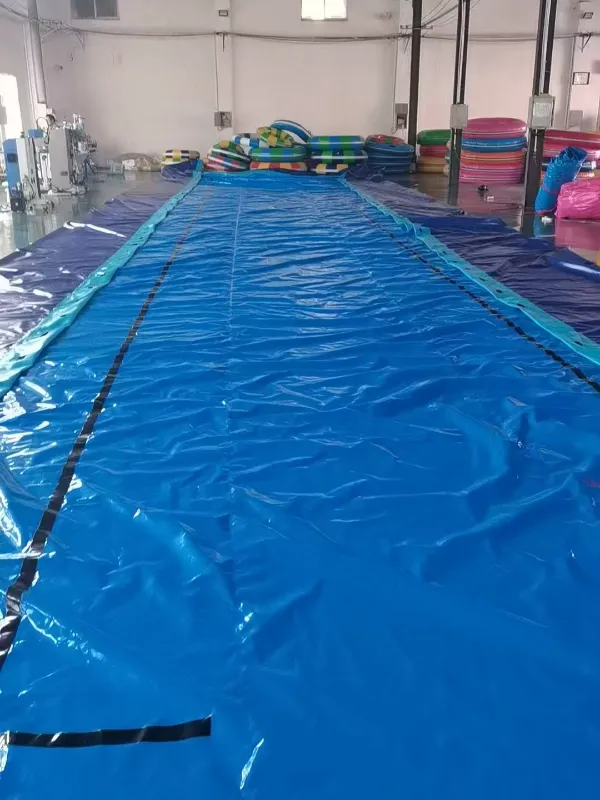 The main challenge was simple: the buyer wanted bumper boats, but the venue did not have a permanent water area for them.
QIQU supplied a 10 x 18 x 1 m support-frame pool for this project. The pool used a steel frame and a 0.9 mm Sijia PVC liner. Repair material, glue, water pump, ladder and drainage parts were included. A ground cloth was not included because the buyer planned to place the pool on soft artificial turf, which was already suitable for the setup. A filtration system was also not included because the buyer already had one.
This is a realistic project detail, not a weakness. In commercial amusement projects, the right configuration depends on what the buyer already has on site. Supplying unnecessary accessories only increases cost and shipping volume.
Based on the operation materials, the water depth appeared to be around 0.8 m. For other projects, the final depth should be decided according to boat model, rider age, local rules, supervision plan and the actual pool structure.
For buyers planning a pool-based water attraction, QIQU can also discuss custom commercial inflatable water parks with pools when the project needs more water-play modules beyond bumper boats.
Two Bumper Boat Models for Different Rider Groups
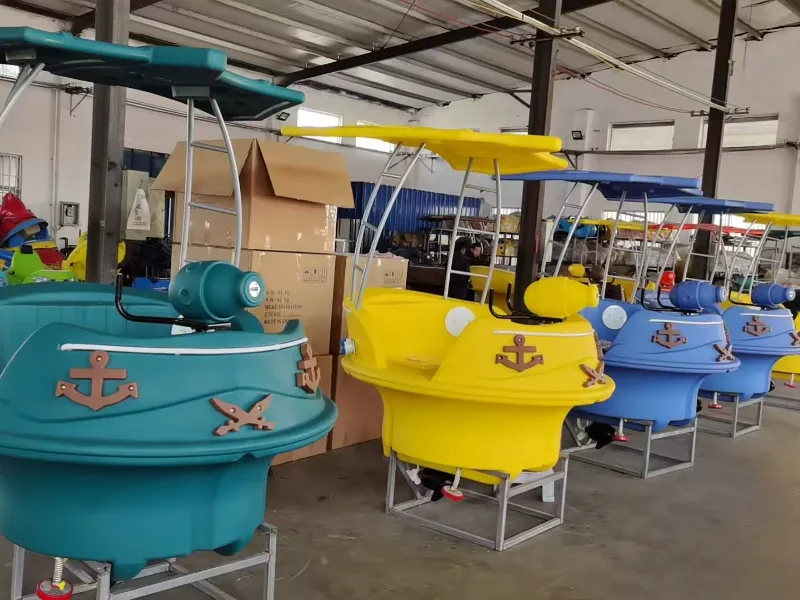 The buyer selected two types of bumper boats.
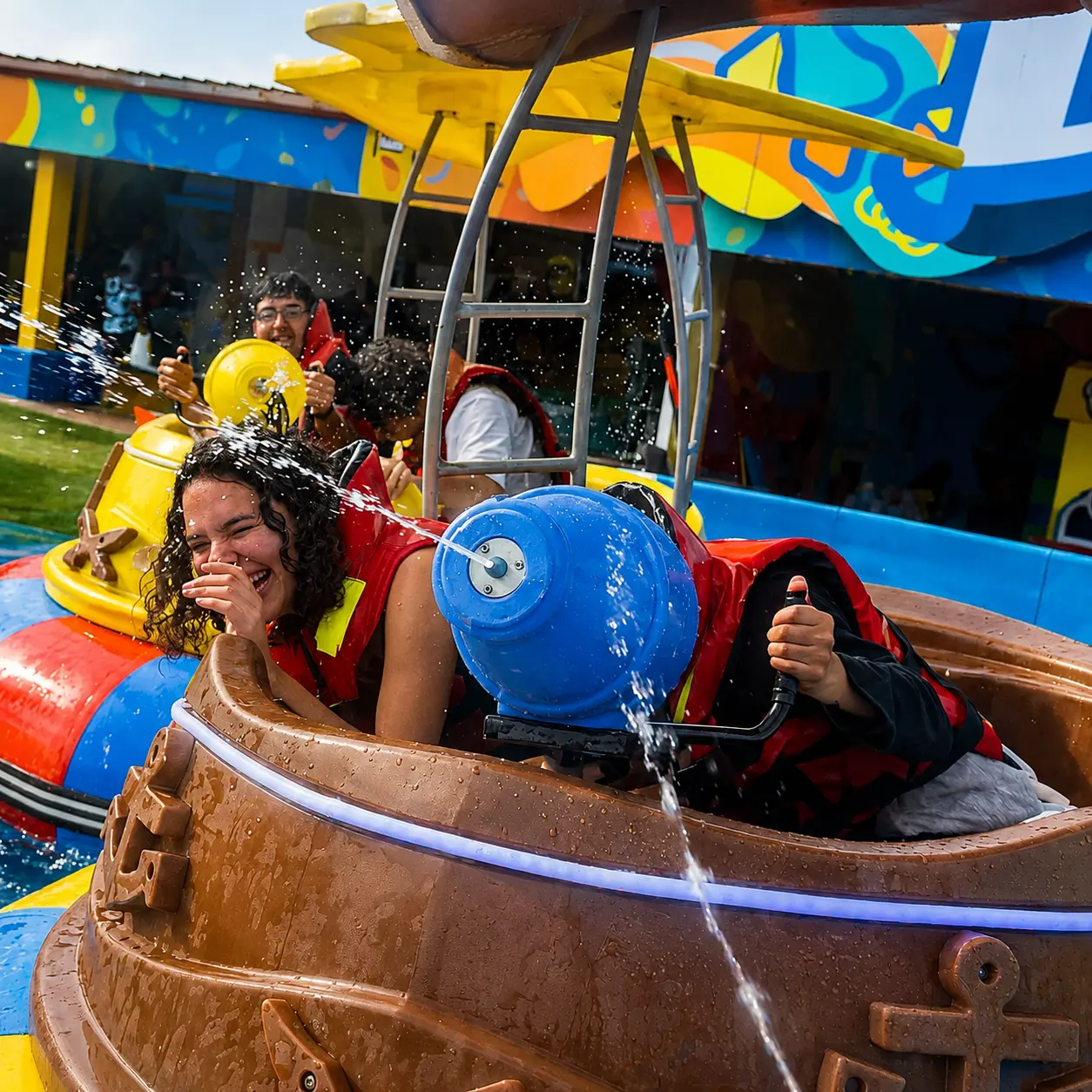
The pirate bumper boat was the main water ride. It was configured with water cannon, music and lighting, and used a 24V 600W motor system. This model is more suitable as the primary attraction because it gives visitors a stronger ride feeling and more interaction on the water.
The commercial kids single bumper boat was added later for younger children. It uses the same shell and inflatable bumper-ring material direction as the pirate bumper boat, but with a smaller body, 24V 180W brushed motor, 50 kg load reference and an age range of 3-8 years. It does not include a water gun.
The buyer did not need to run all 12 boats in the pool at the same time. The pirate bumper boats were the main operating equipment. When younger children needed a smaller boat, the kids single bumper boat could be moved into the pool. Because the kids model is light enough for two adults to carry, this gave the operator more flexibility in a limited water area.
The commercial PE pirate bumper boat was the main water ride.
Separate Outdoor Area for Bumper Cars
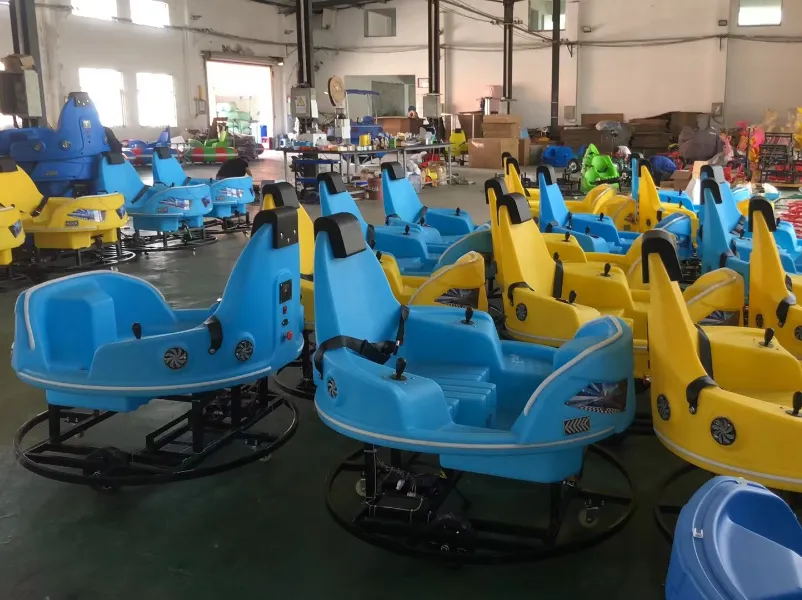
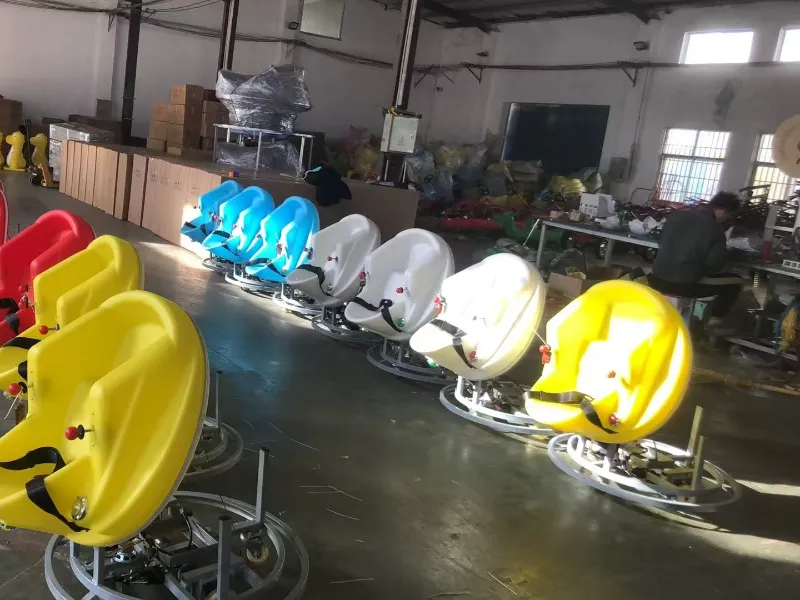 The same order also included two bumper car models: commercial PE bumper cars and commercial electric single bumper cars.
The bumper cars were not mixed with the water ride area. Based on the customer operation materials, they were used in a separate outdoor space. This is important for operation planning because bumper boats and bumper cars have different surface, staffing and visitor-flow requirements.
The commercial PE bumper cars use brushless motors. The commercial electric single bumper cars use brushed motors. Both were selected for outdoor amusement operation, but the buyer did not choose an inflatable safety barrier for the bumper car area. From the available materials, the venue appeared to have a dedicated open space for the cars.
For similar projects, QIQU still recommends planning a clear operating boundary, staff supervision, remote control, timer setting and speed control according to the site. The Peru project shows one real layout choice, but each venue should confirm its own safety rules before opening to visitors.
What the Public Operation Materials Show
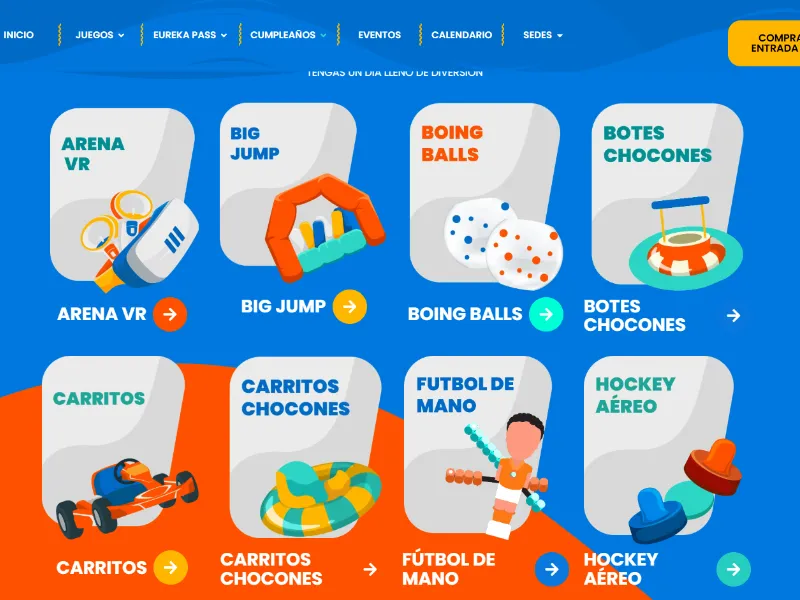 Eureka Park's public website and social media materials show the bumper boat attraction in real operation after the project. Public videos show active visitor use, including many adult riders. This is worth noting because some buyers assume bumper boats are mainly for children.
In practice, bumper boats can attract families, teenagers and adults when the ride layout, water depth, boat model and staff control are suitable. The water cannon function also makes the ride more social and more visible to people watching nearby.
At the same time, this case should be read accurately. QIQU supplied the bumper boats, bumper cars and support-frame pool system included in this order. Other attractions shown on the customer's public website or venue materials, such as rope courses, inflatable play items or other amusement equipment, belonged to the customer or came from other sources.
That distinction is important. A good case study should show the real project scope, not make the supplier look larger by claiming equipment it did not supply.
A Practical Model for Venues With Outdoor Space
The most useful lesson from this Peru project is not that every venue should buy the same product list. The real lesson is that a water attraction can be planned even when the buyer does not already have a lake or permanent pool.
For family entertainment parks, outdoor amusement areas, temporary seasonal sites and mixed-attraction venues, a support-frame pool can make bumper boat operation possible with less civil construction. The buyer still needs to confirm ground condition, drainage, filtration, local approval, staff supervision and visitor flow, but the basic project path is clear.
This project also shows why product selection should follow the venue, not the other way around. The Peru buyer combined larger pirate bumper boats, smaller kids bumper boats, PE bumper cars and electric single bumper cars because the venue had both water-ride potential and outdoor land space.
For QIQU, the value of the project was not only supplying equipment. It was helping the buyer turn a rough attraction idea from the trade show into a workable product list, pool configuration and shipping plan.
Planning a Similar Bumper Boat Project
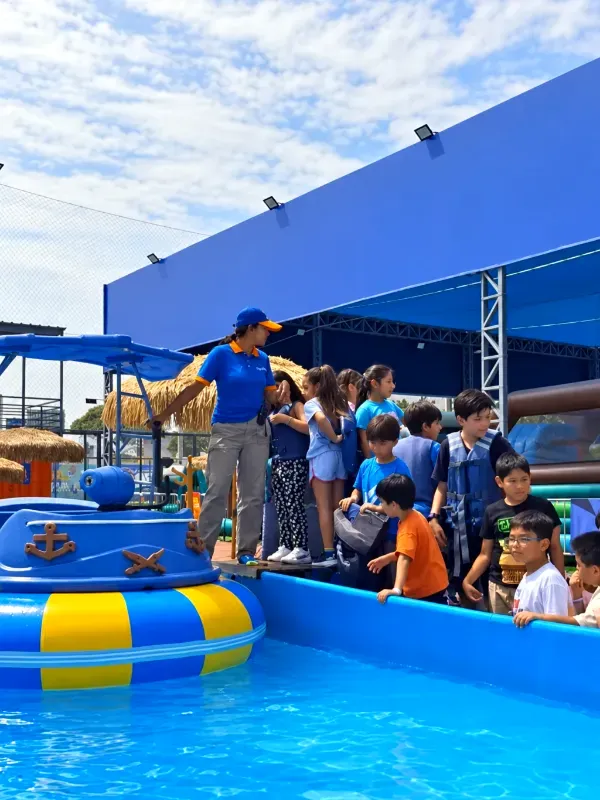 Customer operation photo from Eureka Park in Peru, showing a QIQU pirate bumper boat used in a support-frame pool at the outdoor amusement area.
If your venue wants to add bumper boats but does not have an existing water area, the first step is not choosing the boat color. The first step is confirming the available ground size, surface condition, expected rider group, target capacity, water management plan and local operating requirements.
From there, QIQU can help match the bumper boat model, pool size, boat quantity, voltage, spare parts and shipping method to the actual site.
A project like this does not need exaggerated promises. It needs clear measurements, honest configuration decisions and enough practical detail before production starts.
Frequently Asked Questions
Everything you need to know about this product. Can’t find what you’re looking for? Contact our team.
- Yes. This Peru project shows one practical option: the buyer ordered bumper boats together with a 10 x 18 m support-frame pool, so the water ride area could be added to an outdoor space without using an existing lake or permanent pool. For similar projects, the pool size, water depth, ground condition, drainage plan and local operating rules should be confirmed before production.
- The buyer wanted to add both water-based and land-based attractions for the same family entertainment park project. Bumper boats create a water ride experience, while bumper cars can be operated in a separate outdoor area. This combination gives the venue more attraction types without depending on only one ride format.
- The order included pirate bumper boats, commercial kids single bumper boats, commercial PE bumper cars, commercial electric single bumper cars and a 10 x 18 m support-frame pool. The buyer first selected bumper boats and bumper cars after meeting QIQU at IAAPA Expo 2024 in Orlando, then confirmed additional details online before placing the order.
- No. Based on the customer operation materials, the bumper boats and bumper cars were arranged in separate operating areas. The bumper boats were used with the support-frame pool, while the bumper cars were placed in a separate outdoor space. This is a more practical layout because water rides and land rides have different operating requirements.
- The main water ride was the pirate bumper boat, but the buyer also added smaller kids single bumper boats for younger children. The kids bumper boat is lighter and can be moved by two adults, so the operator can place it into the pool when needed instead of running all boats at the same time.
- No. QIQU supplied the products included in this order: bumper boats, bumper cars and the support-frame pool system. Other attractions shown on the customer's public website or venue materials, such as rope courses, inflatable play items or other amusement equipment, belonged to the customer or came from other sources. This distinction matters because a case study should show the real project scope, not imply that QIQU supplied the entire park.
- Buyers should confirm the available ground size, surface condition, target water depth, number of boats, power supply, drainage method, filtration arrangement, visitor flow and staff supervision plan. For international projects, QIQU can help match the boat quantity, pool size, spare parts and shipping plan according to the buyer's venue and destination.
Ready to Apply These Strategies?
Get a custom ROI projection and layout plan for your specific project.
Request a Free ConsultationRelated Articles
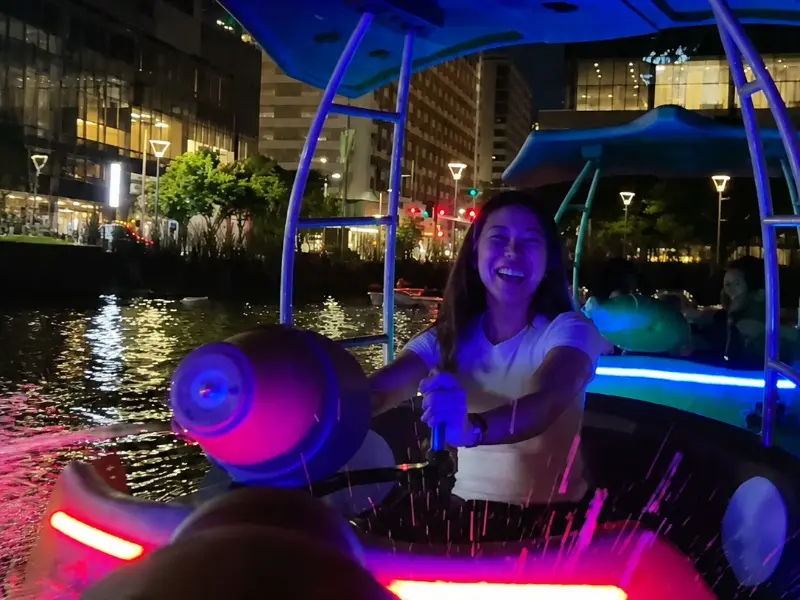
Houston Commercial Bumper Boat Case Study: How QIQU Turned a City Lake into a Viral Water Attraction
A deep commercial bumper boat case study from Houston, Texas. See how QIQU self-developed bumper boats became a viral urban water attraction at Discovery Green, gained coverage from local TV, newspaper, city guides, travel platforms and hotel event pages, generated 10M+ combined social media engagements, and proved real visitor demand in a U.S. park operation.
Read more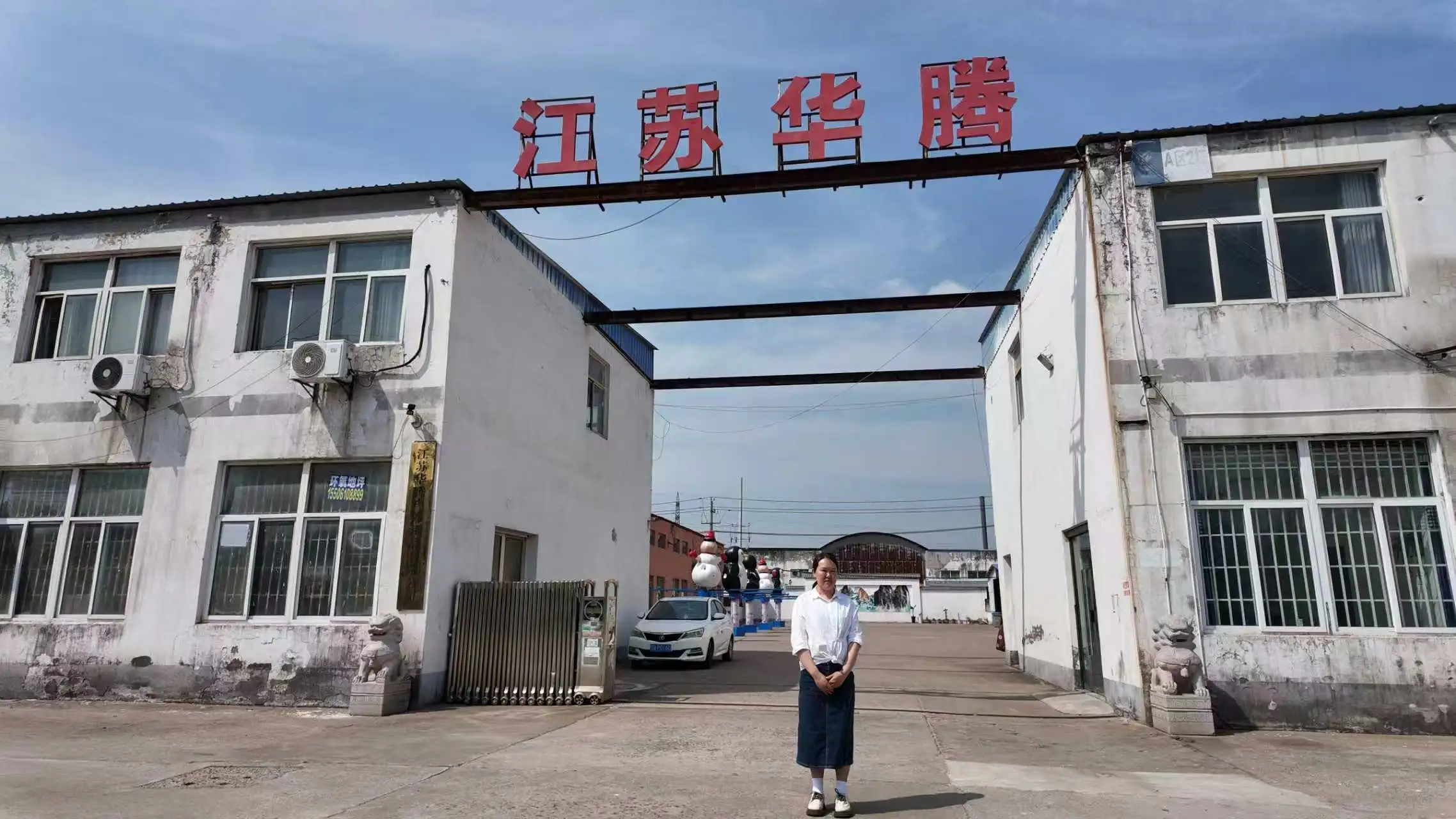
About QIQU: The Engineering Truth Behind How We Build Amusement Parks
QIQU is an amusement engineering company evolving from commercial inflatable systems to PE rotomolded park infrastructure. Built from real factory and park operations since 2012, we design amusement equipment based on real-world operational experience, not theory.
Read more