

Ground Surface Planning for Commercial Amusement Equipment: Lessons from QIQU Amusement Park
A field-based case study from QIQU Amusement Park showing how different amusement equipment requires different ground preparation, from karting tracks and grid-powered bumper cars to support-frame pools, large inflatables and non-powered play structures.
Emily
Founder of QIQU
Why Ground Planning Became a Manufacturing Lesson
 When we started preparing QIQU Amusement Park in 2024, we already had many years of experience manufacturing amusement equipment. But building and operating a real park taught us something different: the equipment is only one part of the project.
The ground decides a lot.
A ride that works well in a factory test may create problems if the site is uneven, wet, too soft, badly drained or prepared with the wrong surface. A pool that looks simple on paper becomes a heavy structure once it is filled with water. A bumper car system that runs indoors may behave very differently outdoors after rain.
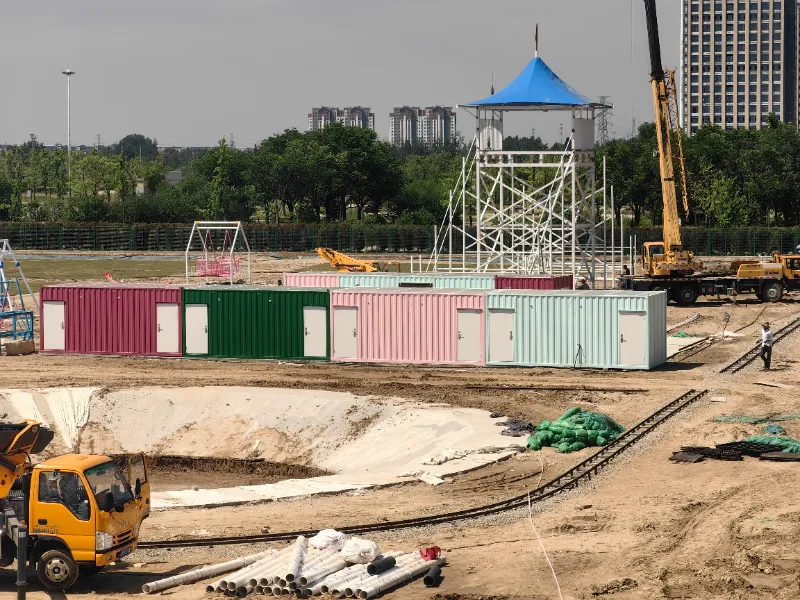
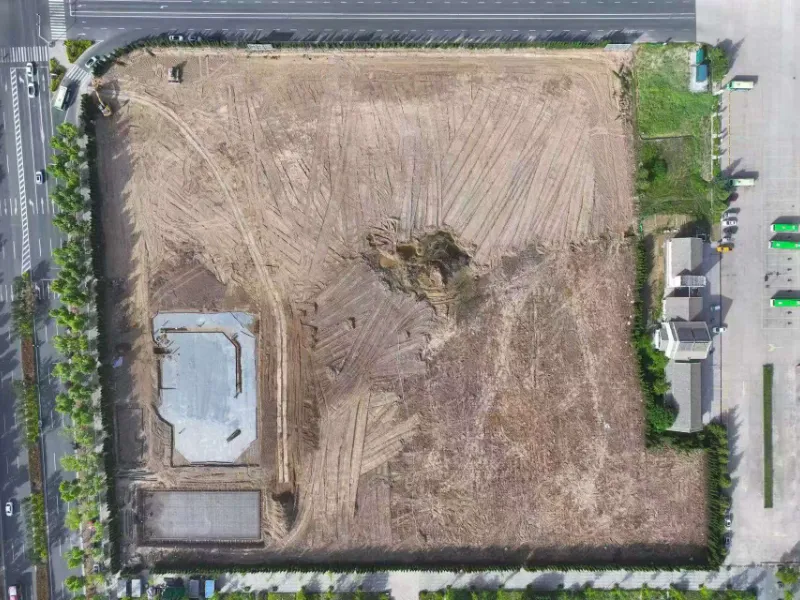
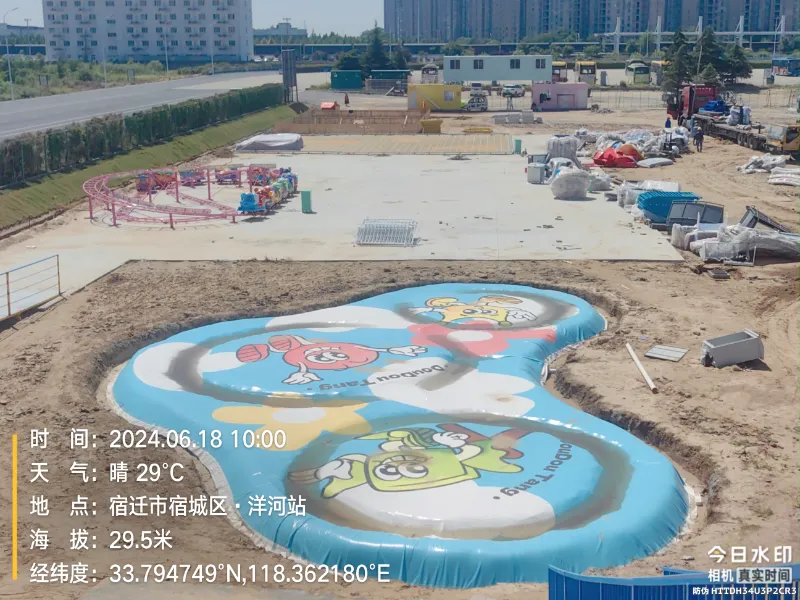
This article is based on our own park project in Yanghe New District, Suqian, Jiangsu, China. The site is leased land, about 10.2 acres in total, located near the railway station area. In May 2024, we started by clearing dense pine trees, weeds, mud and low-lying wet areas. After that came leveling, drainage, hardening, equipment placement and repeated corrections on site.
QIQU does not provide overseas paving or civil construction service. But because we manufacture and export amusement equipment, these lessons are useful for buyers who are planning real venues.
One Park, Many Ground Types
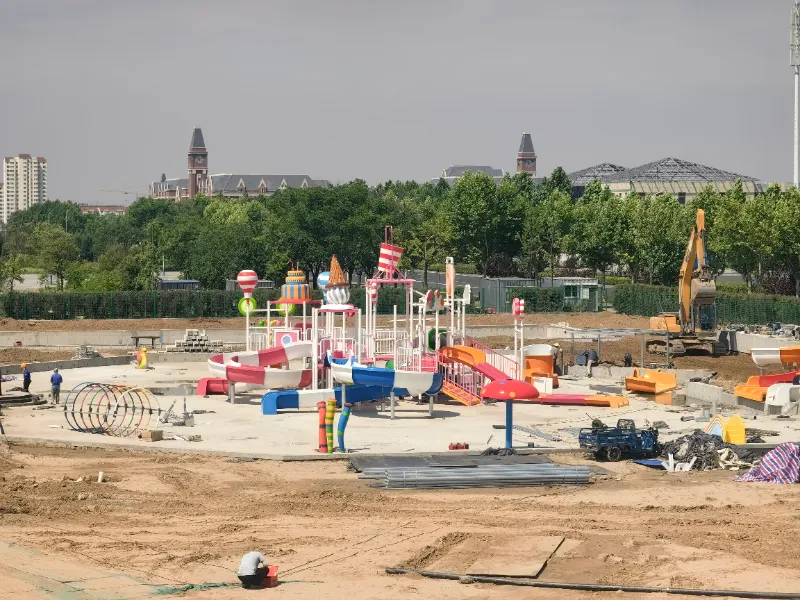 A commercial amusement park is not one flat open space. Different equipment creates different pressure on the ground.
At QIQU Amusement Park, we used hardening for the water play pool, standard swimming pool, support-frame pool area, karting area, bumper car area, main roads, powered ride zones and key installation areas. For large non-powered structures, many load-bearing points were also reinforced with concrete.
This was not done for appearance. It was done because each area had a different job.
The water areas needed to carry long-term weight. The karting track needed smooth turning and stable tire contact. The bumper car area needed a controlled electrical floor system. The main roads needed to handle visitors, carts, workers and equipment movement. Large play structures needed stable support points that would not sink after rain.
For overseas buyers, this is the practical point: before confirming the equipment list, the site should be divided by function. A water ride area, battery bumper car area, grid-powered bumper car area, karting area and inflatable attraction area should not be planned with the same ground standard.
Karting Needed the Most Driving-Focused Surface
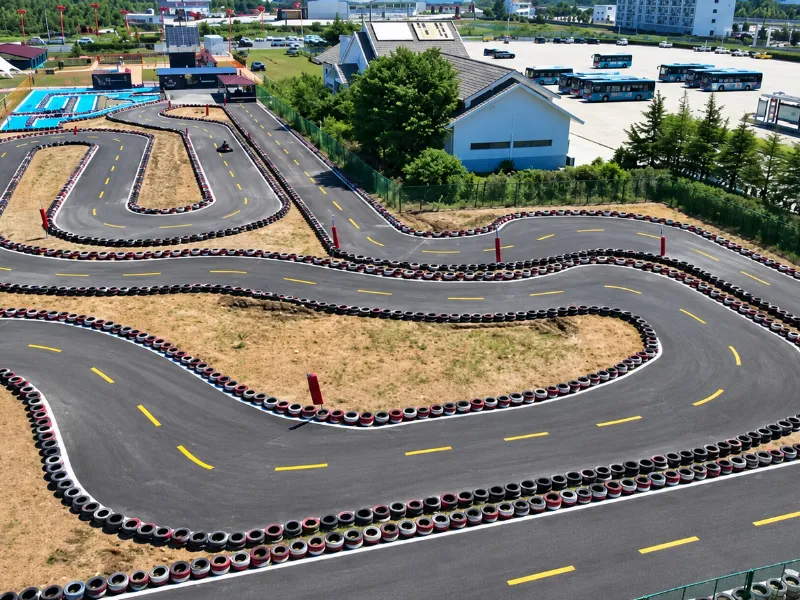 The karting area was one of the smoother parts of our project because we worked with a professional karting company from Beijing. The company manufactures karting equipment and also operates its own karting venue, so their advice came from real track experience.
Our park included two karting tracks: one gasoline-powered adult track with professional karts, and one electric children’s track. The adult karts can reach about 60 km/h, so the ground could not be treated like a normal plaza.
The karting zone was first prepared with concrete and then finished with an asphalt layer. The asphalt was added for better driving experience, smoother turns, tire grip and daily surface wear. For a ride where speed, braking and cornering are part of the guest experience, the surface directly affects the attraction.
The lesson was simple: for karting, do not only ask whether the ground is “hard enough.” Ask whether it is smooth enough, wide enough, safe enough for turns, and suitable for the speed of the selected kart.
Grid-Powered Bumper Cars Taught a Harder Lesson
 The grid-powered bumper car area was more difficult.
This type of bumper car does not only need a flat floor. It needs a floor system that supports electrical contact. In our project, the ground was hardened first, then a wood board layer was installed, and conductive plates were placed above it.
The wood layer was not decorative. It helped separate the conductive floor from the concrete base, reduce moisture problems, improve leveling, reduce vibration and make installation easier.
Concrete is not a reliable insulation layer, especially outdoors. When concrete becomes damp, contains steel reinforcement or absorbs moisture, electrical leakage and corrosion risks increase. Moisture can also affect wiring, joints and conductive plates. If the floor is uneven, the brush under the bumper car may not contact the conductive plate properly, causing the car to stop during operation or require repeated troubleshooting.
This is why we now speak more carefully with buyers about outdoor bumper car projects. If the buyer wants a simpler outdoor setup, battery-powered commercial PE bumper cars are often easier to manage than commercial electric single bumper cars, because they do not depend on a conductive floor.
Water Areas Were Treated as Heavy Structures
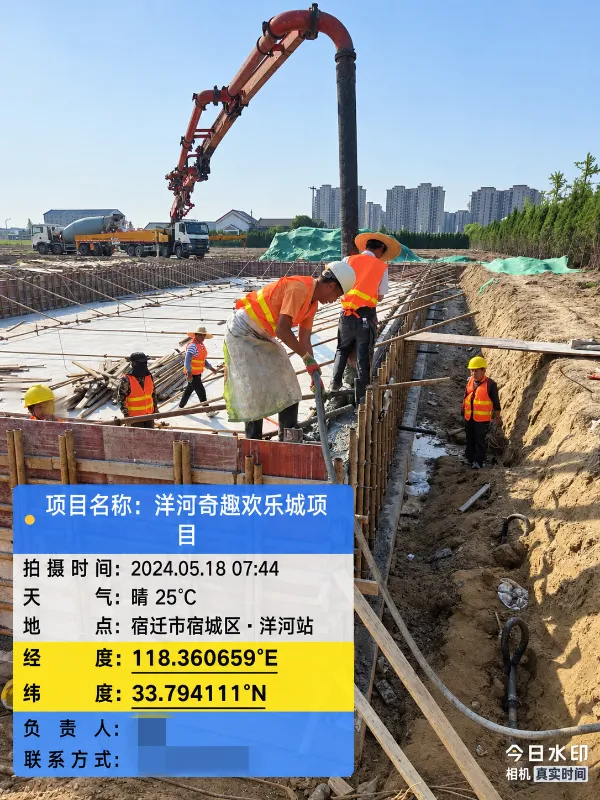 The water play pool, standard swimming pool and support-frame pool areas were treated as heavy-load zones.
For the fixed water areas in our park, we used C30 reinforced concrete with a thickness of about 20 cm. The water play pool also required a dedicated filter room about 4 meters high, with large sand filters and control systems for water circulation and spray functions.
This article is not mainly about water-system construction, so I will keep this point brief: water attractions should never be planned as light temporary decoration if they will operate commercially. Water weight, drainage, filtration, visitor circulation and maintenance access all need to be considered early.
The same logic applies to a support-frame pool. Even when the pool itself is supplied as equipment, the ground below it still matters. The area should be flat, clean, free of sharp objects and convenient for drainage or water replacement.
Large Inflatables Need Clean Ground and Real Anchoring
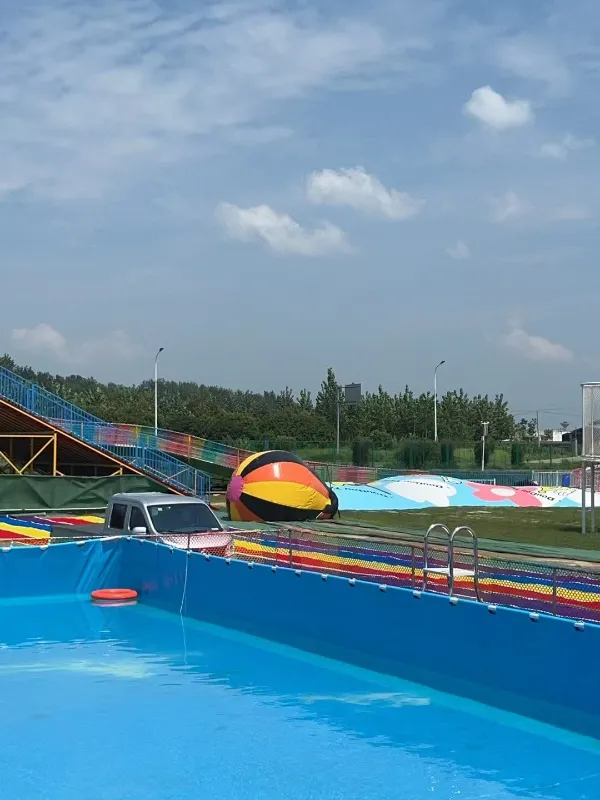 For our own inflatable attractions, including a large inflatable castle and inflatable water obstacle equipment, the basic requirement was straightforward: flat ground, no sharp objects, no broken stones, and stable anchoring.
We placed the large inflatable castle on concrete ground with ground cloth underneath. For fixing, we used rope anchoring. This kind of detail is easy to ignore during product discussion, but it matters in daily operation. Wind, visitor movement, repeated loading and cleaning all affect the attraction.
For buyers, the question should not only be “Can this inflatable fit my space?” A better question is: “Is the ground clean, flat, protected and ready for anchoring?”
Non-Powered Equipment Still Needs Load-Bearing Points
Some buyers assume non-powered equipment is easy because it has no motor. That is only partly true.
Many of our non-powered attractions were large structures, not small playground pieces. Even if the main area sits on grass or landscape ground, the support points still need to carry real weight. In many places, we used reinforced concrete pads around 1 meter by 1 meter. For some larger structures, we hardened the whole base area.
This is especially important after rain. Soft ground may look acceptable during installation, but after repeated use, visitor traffic and bad weather, weak support points can sink or shift.
For large commercial play structures, ground preparation should follow the load points, not only the visible footprint.
The Visitor Sees the Ground Before the Equipment
One unexpected lesson was the appearance of the ground between equipment zones.
At the beginning, many areas outside the hardening zones were still soil. We planted grass, but under strong summer sun and visitor traffic, the grass was difficult to keep alive. We replanted in cooler hours such as early morning and evening, and later used a large amount of artificial turf.
This was not only about beauty. Muddy or unfinished-looking areas reduce visitor confidence. Families may not understand what concrete grade or drainage design means, but they immediately notice whether the park looks clean, dry and ready to use.
For a commercial venue, ground appearance is part of the guest experience.
What Buyers Should Confirm Before Ordering
Before choosing equipment, buyers should prepare basic site information.
Send photos and videos of the ground after rain if possible. Show the slope, drainage direction, nearby power source, water source, entrance path, available operating area and surrounding obstacles. If the project is outdoor, also explain local rain, wind and seasonal conditions.
This helps avoid wrong equipment choices. A small kids bumper boat may work well in a calm pool but feel weak in moving water. A grid-powered bumper car may be acceptable indoors but troublesome outdoors if the floor cannot stay dry. A karting track may fit the land size but fail if the turning radius is too tight.
The earlier these details are discussed, the fewer expensive corrections happen later.
Our Position as a Manufacturer
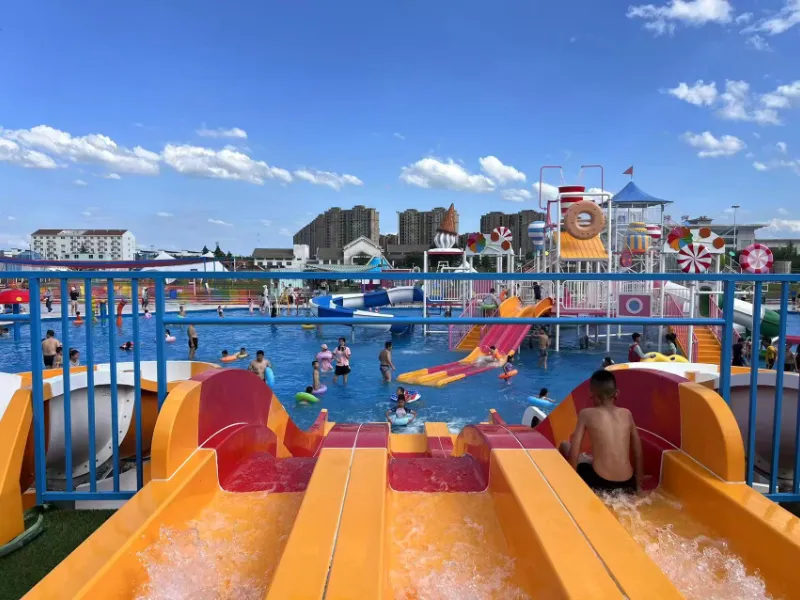 QIQU is not trying to present itself as a construction company. We are an amusement equipment manufacturer that built its own operating park and learned from the site.
That experience changed how we discuss projects with buyers. We now ask more questions about ground conditions, drainage, power, visitor flow and maintenance access before recommending equipment.
For buyers planning an outdoor amusement project, this can save time and reduce avoidable mistakes. Equipment matters, but the site decides whether the equipment can work well every day.
Frequently Asked Questions
Everything you need to know about this product. Can’t find what you’re looking for? Contact our team.
- No. QIQU is an amusement equipment manufacturer, not an overseas civil construction contractor. We share these field notes because ground conditions directly affect equipment selection, installation, maintenance and long-term operation.
- Useful information includes site size, ground material, slope, drainage condition, whether the project is indoor or outdoor, planned operating season, expected visitor flow and whether the attraction is temporary or permanent.
- No. Some rides need full concrete hardening, some only need reinforced support points, and some can operate on flat grass or artificial turf with proper anchoring. The right answer depends on equipment weight, movement, power system and operating environment.
- For QIQU Amusement Park, the karting area used concrete first and then an asphalt layer. The asphalt improved driving smoothness, tire grip, turning experience and surface durability.
- Grid-powered bumper cars depend on stable electrical contact between the car and the conductive floor. The base needs to be flat, dry and well insulated. Poor ground preparation can lead to intermittent power, rust, poor contact and frequent troubleshooting.
- In many outdoor projects, yes. Battery bumper cars do not require a conductive floor system, so they are usually easier to place on prepared flat ground. Buyers still need to consider drainage, supervision, traffic flow and boundary control.
- A support-frame pool should be placed on flat ground without sharp stones, debris or obvious slope. Drainage and water replacement should be planned before installation, because a full pool carries significant water weight.
- They can be placed on suitable outdoor surfaces, but the ground must be flat, clean and free of sharp objects. For long-term commercial use, ground cloth, anchoring points and drainage planning are important.
- Natural grass was difficult to keep alive under summer heat and heavy visitor traffic. Artificial turf helped cover muddy or unfinished-looking areas and made the park feel cleaner and more visitor-ready.
- Do not choose equipment first and think about the ground later. Equipment layout, ground surface, drainage, power supply and visitor flow should be planned together from the beginning.
Ready to Apply These Strategies?
Get a custom ROI projection and layout plan for your specific project.
Request a Free ConsultationRelated Articles
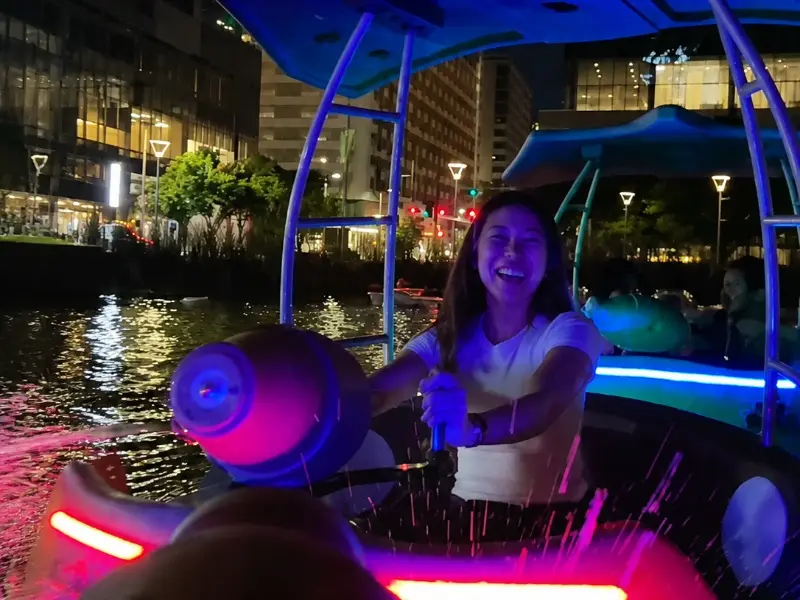
Houston Commercial Bumper Boat Case Study: How QIQU Turned a City Lake into a Viral Water Attraction
A deep commercial bumper boat case study from Houston, Texas. See how QIQU self-developed bumper boats became a viral urban water attraction at Discovery Green, gained coverage from local TV, newspaper, city guides, travel platforms and hotel event pages, generated 10M+ combined social media engagements, and proved real visitor demand in a U.S. park operation.
Read more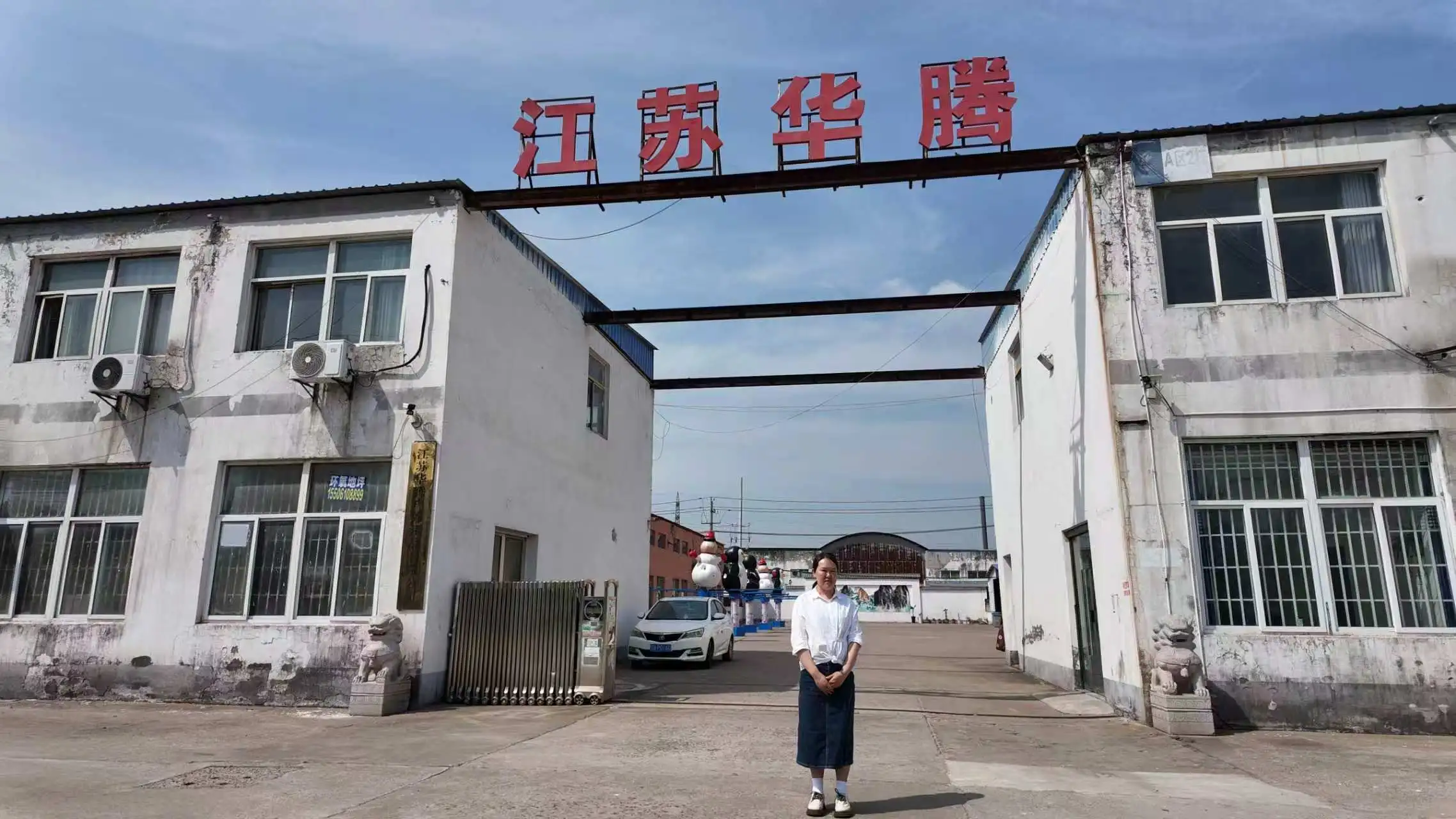
About QIQU: The Engineering Truth Behind How We Build Amusement Parks
QIQU is an amusement engineering company evolving from commercial inflatable systems to PE rotomolded park infrastructure. Built from real factory and park operations since 2012, we design amusement equipment based on real-world operational experience, not theory.
Read more