

How to Choose Amusement Park Equipment: Lessons from Building QIQU Amusement Park
Based on the real construction and operation of QIQU Amusement Park, this article explains why choosing amusement park equipment is not just about filling a site with rides. It shares practical lessons on supplier selection, ride quality, zoning, visitor flow, operating costs, secondary spending, staffing, and why serious buyers should evaluate long-term operation before placing an order.
Emily
Founder of QIQU
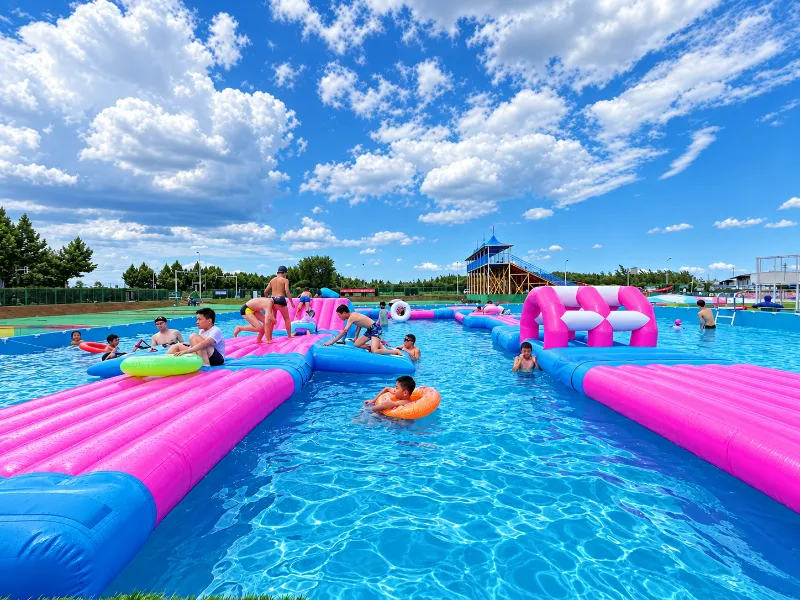
Why Equipment Choices Become Operating Decisions
Choosing amusement park equipment is not just about filling an empty site with rides.
After building QIQU Amusement Park ourselves, we learned this lesson in the most direct way: every equipment decision becomes an operating decision after opening. A ride that looks good in a catalog may later affect maintenance, staffing, queues, visitor satisfaction, secondary spending, and the owner’s confidence.
That is why we understand why buyers hesitate.
Some customers ask many questions before placing an order. Some compare several suppliers. Some need time to check quality, layout, budget, safety, and long-term maintenance. We do not see this as a problem. We see it as the right attitude.
Because once a park opens, a poor equipment decision is no longer a small purchasing mistake. It becomes a daily operating cost.
Building Our Own Park Changed How We Look at Equipment
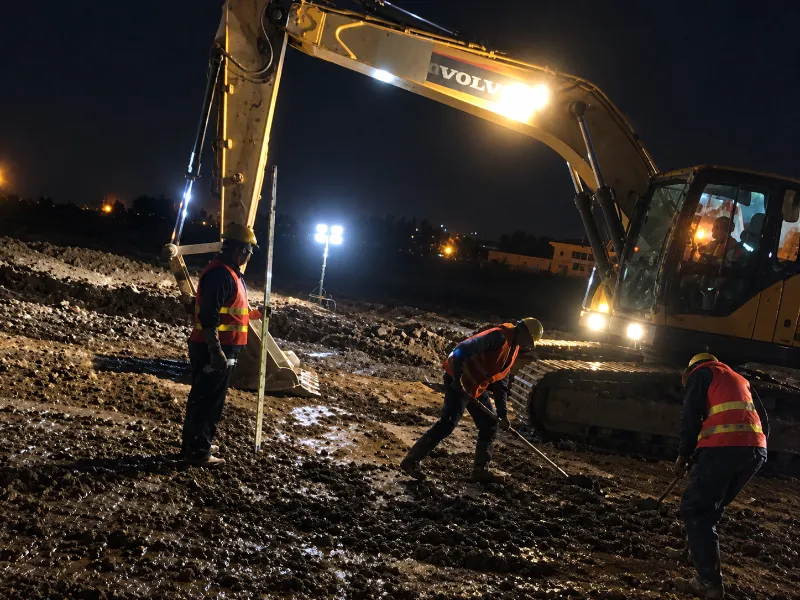
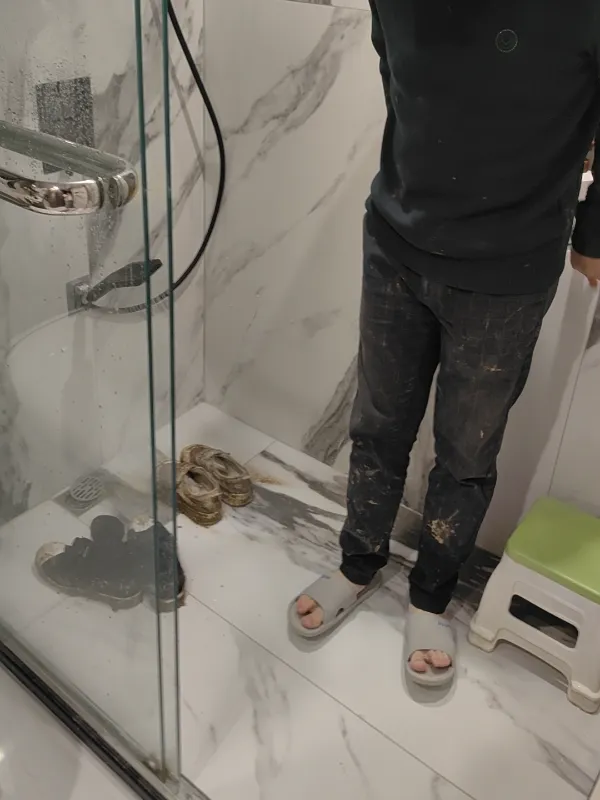
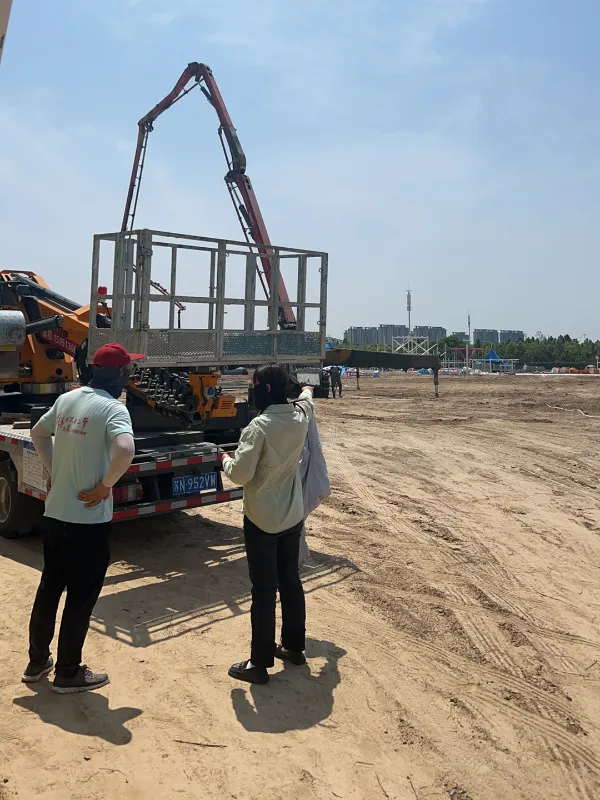
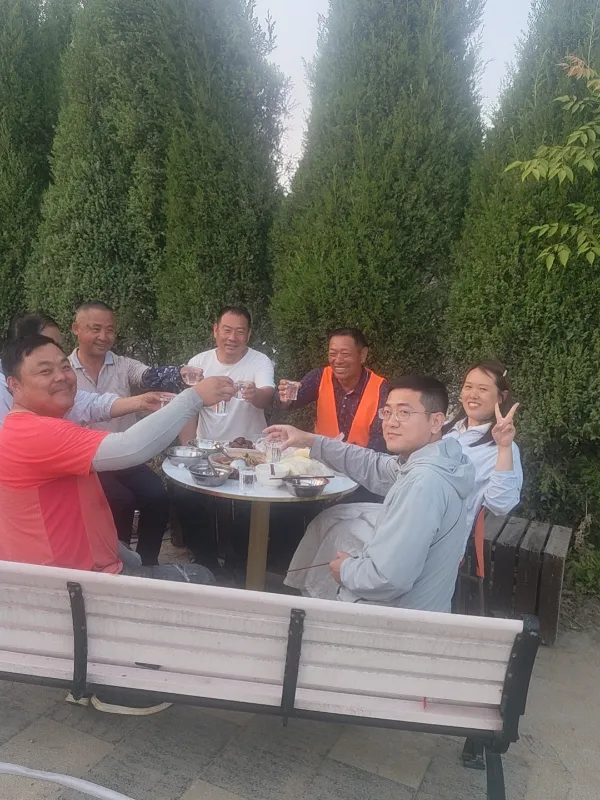 QIQU Amusement Park did not start as a simple showroom. It became a real operating park, built under real construction pressure, real weather, real budgets, and a real opening deadline.
From April 23, 2024, when we started clearing the pine forest, to July 9, 2024, when the park entered trial operation, the work was intense.
On many days, I walked more than 30,000 steps, roughly over 20 kilometers, moving between construction zones, ride installation areas, supplier teams, workers, and site problems. I wore out three pairs of shoes during the construction period.
Most mornings started around 5:30 a.m. Many nights ended close to midnight.
My husband was so sunburned during construction that when his old university classmates came to support us after opening, some of them almost did not recognize him face to face.
This is not a complaint. It is what building a park really feels like when every decision is connected to money, labor, weather, safety, suppliers, and opening day.
To be honest, even writing this part still makes my eyes wet.
Why We Understand Buyers Who Take Time to Decide
 Before we built our own park, we already had 12 years of experience in the amusement equipment industry. Even so, we still learned hard lessons during construction and operation.
If a manufacturer with years of industry experience can still face equipment problems, supplier problems, cost pressure, labor pressure, and operating mistakes, what about a first-time buyer?
That is why we do not push customers to make fast decisions.
We would rather help a buyer think clearly before ordering than sell the wrong ride quickly.
The lowest price is not always the lowest cost. A cheap ride that breaks often may cost more after opening because of:
- Repair costs
- Downtime
- Guest complaints
- Staff pressure
- Queue problems
- Lost repeat visits
- Lost confidence in the project
A reliable ride may cost more at the beginning, but it protects the operation after opening.
A Park Layout Is an Operating System
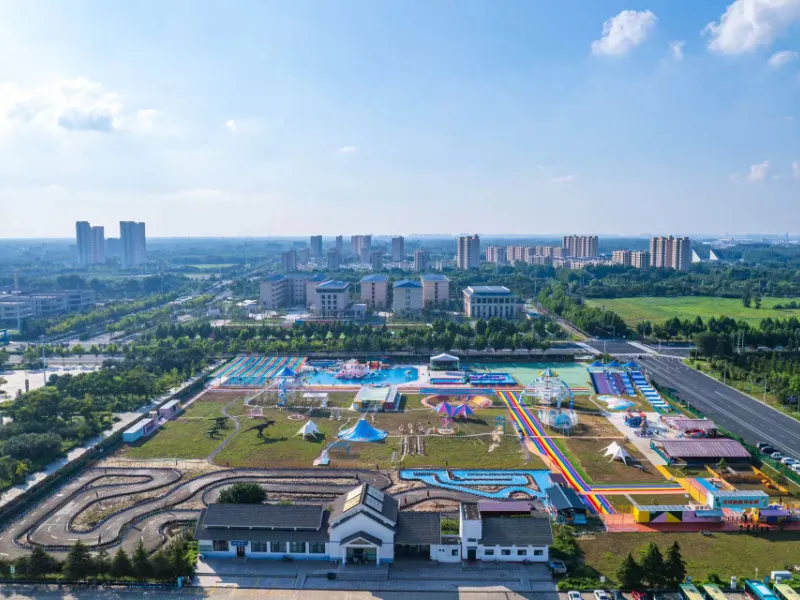 A family amusement park is not only a collection of equipment. It is a system of zones, visitor flow, safety control, staff allocation, and secondary spending.
At QIQU Amusement Park, we planned different areas from the beginning:
- Water play area
- Non-powered play area
- Go-kart area
- Mechanical ride area
- Food and beverage area
- Rest area
- Ticketing and entrance area
- Changing and shower area
Each zone had a role.
The water area brought summer traffic. Mechanical rides created excitement and repeat play. Food and retail supported secondary spending. Rest areas helped parents stay longer. Ticketing and entrances affected first impressions. Changing and shower areas supported water play operation.
A park layout should not only look organized on a map. It should help the park operate every day.
Why We Gave Up the Wave Pool Idea
At one stage, we considered building a wave pool.
Later, we gave up the idea because the schedule could not meet the summer peak season. Looking back, that was the right decision.
A wave pool requires high construction cost, high equipment cost, high operating cost, and strict safety management. Based on our local ticket price and consumption level, building a wave pool would likely have been a poor investment.
Our general admission ticket was around RMB 39, approximately USD 5.40, excluding go-karts. At that ticket level, a wave pool would have created too much cost pressure.
This taught us an important lesson: not every large attraction is suitable for every park.
A big ride may look impressive, but if the local market cannot support the investment, it can become a financial burden.
What We Would Change If We Built the Park Again
 If we were to redesign the park today, we would reduce some non-powered equipment and increase the proportion of mechanical rides and inflatable attractions.
That does not mean non-powered equipment is useless. Non-powered play structures such as climbing nets, slides, adventure play, trampolines, and sand pits are valuable. They help children release energy and can handle many visitors.
But after real operation, we found that in our market, powered mechanical rides and inflatable attractions created stronger excitement and stronger repeat play.
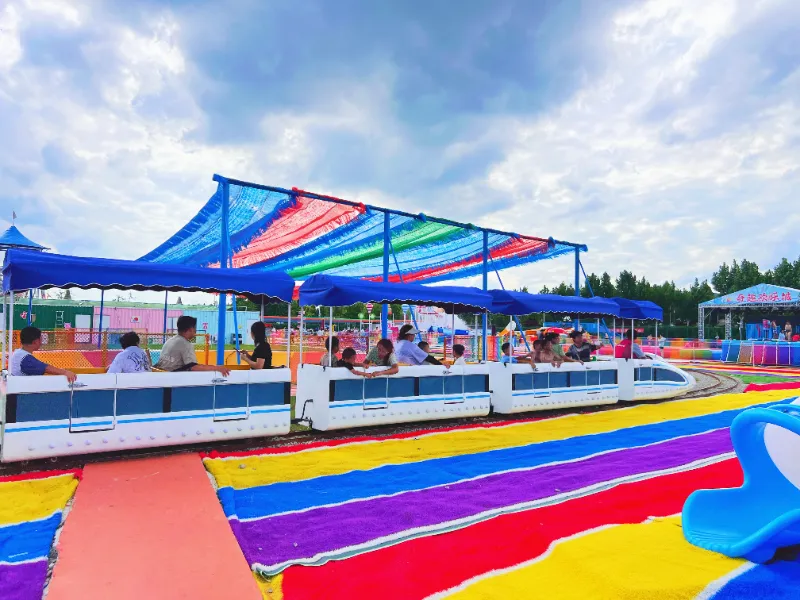
For example, after we added an inflatable castle in October 2024, it became popular with visitors. Mechanical rides such as spray ball cars, rotating airplanes, giraffe flying chairs, animal track rides, Disco turntables, and track trains also helped enrich the experience.
Our 450-meter track train added a strong touring element to the park and helped create a more complete amusement atmosphere.
The lesson is not that one category is always better than another. The lesson is that the equipment mix must match the visitor group, ticket price, staffing capacity, and local spending habits.
Some Equipment Attracts Crowds, but Also Creates Pressure
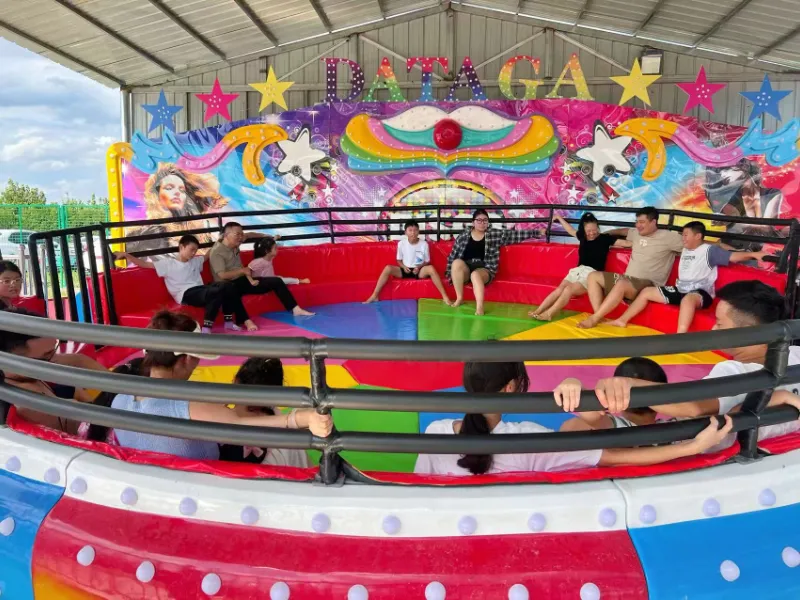 Some rides naturally attract queues.
In our park, the Disco turntable became one of the most popular mechanical rides because it is exciting and highly visible. Bumper cars also attracted many children because they are easy to understand and fun to repeat.
But popular rides bring management pressure. If a ride has limited capacity or each round takes time, queues can grow quickly. Staff must manage order, explain rules, and control safety.
Go-karts are a good example.
Our go-karts are gasoline-powered, so they involve fuel cost, tire wear, track management, staff supervision, safety briefing, and queue control. If go-karts were included for free in a low general admission ticket, visitors would likely queue all day, operating costs would rise, and the experience would become harder to manage.
That is why go-karts were charged separately.
Pricing is part of operation. It is not only about making money. It is also about controlling demand, protecting equipment, and keeping the experience manageable.
Secondary Spending Depends on Visitor Stay Time
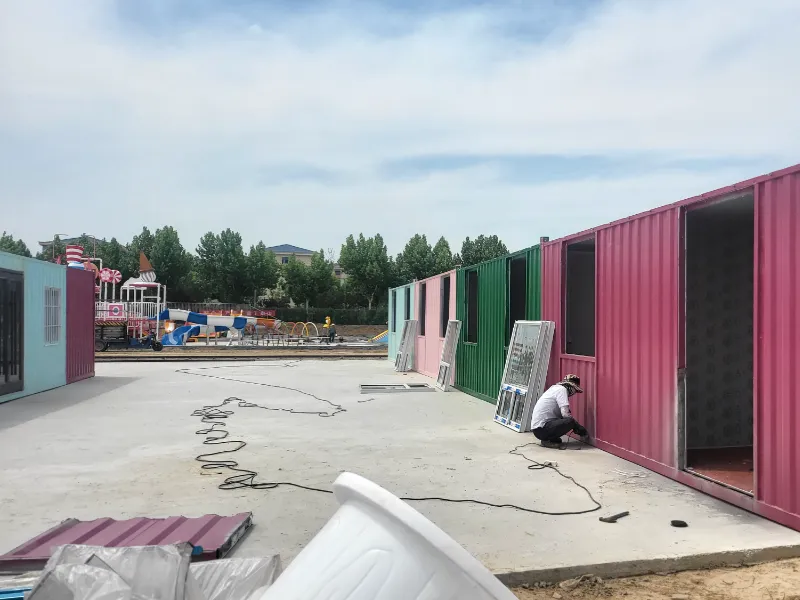 Ticket revenue is important, but secondary spending can also become a major part of park income.
At QIQU Amusement Park, we planned the retail and food area near the center of the park. This allowed visitors from different zones to reach it easily.
We arranged a supermarket and eight food stalls in attractive container-style units. During summer, sales of swimwear, swimming goggles, drinks, ice cream, and similar products could reach around RMB 5,000 per day, approximately USD 690.
This confirmed another lesson: the longer visitors stay, the more secondary spending opportunities the park has.
Parents matter here.
When children are playing, parents are often waiting. If parents have shade, seats, drinks, food, and a comfortable place to rest, they are more likely to let children continue playing. If parents feel tired, hot, or uncomfortable, they may push children to leave early.
Good equipment brings visitors in. Good service zones help them stay.
Supplier Selection Matters More Than Many Buyers Think
After purchasing and operating equipment from many suppliers, we became more careful about supplier selection.
We look at more than price.
Important factors include:
- Product finish
- Structural stability
- Electrical control quality
- Real project cases
- After-sales support
- Spare parts availability
- Industry reputation
- Long-term reliability
We learned that cheaper equipment from some suppliers may become more expensive after opening. More reliable suppliers may cost more at the beginning, but they often save money, time, and stress later.
For example, the supplier we selected for our water play fortress was a specialized partner we had known for years through industry exhibitions. After more than two years of operation, that equipment remained stable and caused no major problems. That kind of reliability is worth paying for.
This is also why buyers should not judge amusement equipment only by size, photo, or price.
Equipment That Looks Attractive vs. Equipment That Supports Operation
| Buyer Question | Looks Attractive in Photos | Supports Real Operation |
|---|---|---|
| Price | Low initial price | Reasonable total cost after maintenance |
| Appearance | Big, colorful, impressive | Matches the park theme and visitor group |
| Reliability | Unknown until opening | Proven cases and stable operation record |
| Maintenance | Not considered at purchase stage | Spare parts, access points, and service support are clear |
| Staffing | Looks easy to operate | Staff workload is realistic |
| Queue control | Not planned | Capacity and round time are considered |
| Revenue | Assumed to attract visitors | Fits ticket price and local spending power |
| Safety | Basic promise from supplier | Layout, rules, barriers, and staff control are planned |
A ride should not only win attention before purchase. It must survive daily operation after opening.
Large Attractions Are Not Always the Right First Choice
Some buyers are attracted to very large amusement equipment because it looks impressive.
But large equipment also brings high investment, high civil construction requirements, high safety responsibility, and long payback pressure.
We recommend buyers be cautious with projects such as:
- Giant water park slides or large wave-style water attractions
- Very large water fortresses
- Major roller coasters or large track-based rides
- Giant observation wheels
- High-altitude thrill rides
- Large immersive mechanical theaters or VR dome theaters
These attractions can work in the right market, but they are not suitable for every family park, farm park, resort, or local attraction.
Before buying large equipment, buyers should ask:
- Can local ticket prices support the investment?
- Is the visitor volume high enough?
- Can the park afford maintenance and safety staff?
- Does the site have enough power and civil engineering support?
- Will this attraction improve profit, or only make the park look bigger?
Bigger is not always better.
Before Buying a Ride, Ask These Questions
| Question | Why It Matters |
|---|---|
| Who is the main visitor group? | Children, families, teenagers, adults, schools, and tourists need different attractions. |
| What is the ticket model? | One-ticket access and separately charged rides require different equipment planning. |
| What is the local spending level? | A ride must match the market’s willingness to pay. |
| How many staff will the ride need? | Labor cost can change the real operating cost. |
| How often may the ride break down? | Downtime affects visitor satisfaction and revenue. |
| Are spare parts easy to get? | Slow parts supply can stop operation for days or weeks. |
| Will the ride create queues? | Popular rides need queue control and staff management. |
| Does the ride fit the site layout? | Poor placement creates traffic problems and safety risks. |
| Does the ride support secondary spending? | Longer stay time improves food, drinks, retail, and add-on revenue. |
| Is the supplier reliable? | Supplier quality affects long-term confidence. |
For first-time park buyers, we recommend starting with site layout, target visitors, budget, and operation model before asking for equipment prices.
Chinese Manufacturing Is Not Low-End Manufacturing
We also want to say something from the perspective of a Chinese manufacturer.
Chinese manufacturing should not be understood as low-end manufacturing. China now has a strong industrial scale, mature supply chains, skilled workers, and many serious manufacturers trying to build better products.
QIQU is only a very small part of this industrial system, but we are proud to do our part carefully.
The success of the industry may not belong to any one company alone, but every responsible manufacturer contributes to it.
That is why we care about quality, not just orders.
Planning a family amusement park, farm park, scenic-area attraction, resort play area, or outdoor entertainment project?
Send us your site size, budget, target visitors, climate, and preferred attraction types. QIQU can help you avoid buying rides that look good in photos but create problems after opening.
We can help you think through equipment selection, visitor flow, zoning, staff workload, secondary spending, and long-term maintenance before you place an order.
Frequently Asked Questions
Everything you need to know about this product. Can’t find what you’re looking for? Contact our team.
- Start with your target visitors, site size, budget, local climate, ticket model, and staffing capacity. Do not choose equipment only by photos or price. A balanced park usually needs a mix of high-attraction rides, family-friendly play, rest areas, service zones, and manageable operating costs.
- A controlled budget is important, but choosing equipment only because it is cheap can create higher long-term costs. If a ride breaks often, lacks spare parts, or requires too much maintenance, it may become more expensive after opening than a higher-quality ride.
- Because the decision is risky. Once a park opens, equipment affects daily operation, staff workload, visitor satisfaction, repair cost, and revenue. Even as a manufacturer with 12 years of industry experience at the time, we still faced hard lessons when building our own park. It is normal for serious buyers to compare and think carefully.
- Non-powered equipment is useful, especially for children’s physical play and group capacity. But in many markets, a park may need powered rides, inflatable attractions, water play, and secondary spending zones to improve excitement, repeat visits, and stay time.
- Not always. Go-karts often have higher fuel, tire, staff, safety, and queue management costs. In our park, go-karts were charged separately because including them in a low general admission ticket would have created excessive operating pressure.
- Send your site size, layout drawing if available, budget range, target visitors, climate, expected operating season, preferred attraction types, and whether you want one-ticket admission or separately charged attractions. This helps suppliers recommend equipment that fits your real operation.
Ready to Apply These Strategies?
Get a custom ROI projection and layout plan for your specific project.
Request a Free ConsultationRelated Articles
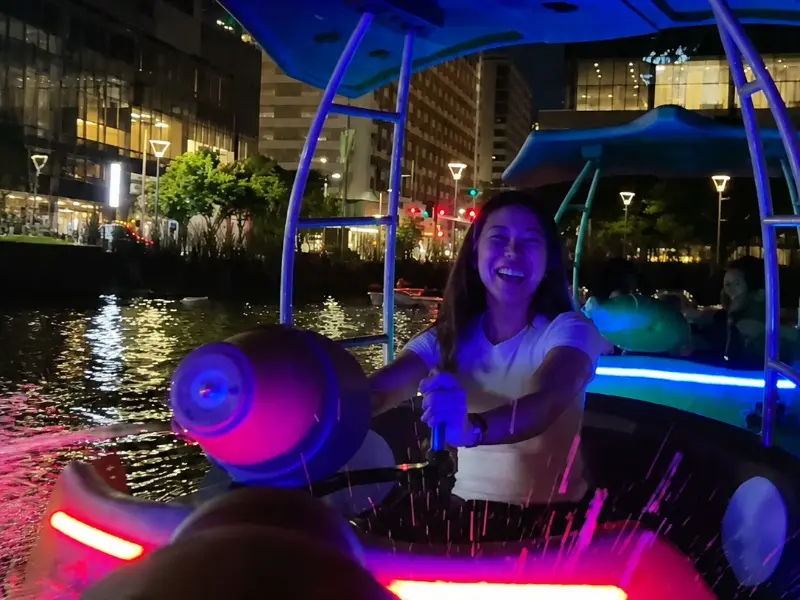
Houston Commercial Bumper Boat Case Study: How QIQU Turned a City Lake into a Viral Water Attraction
A deep commercial bumper boat case study from Houston, Texas. See how QIQU self-developed bumper boats became a viral urban water attraction at Discovery Green, gained coverage from local TV, newspaper, city guides, travel platforms and hotel event pages, generated 10M+ combined social media engagements, and proved real visitor demand in a U.S. park operation.
Read more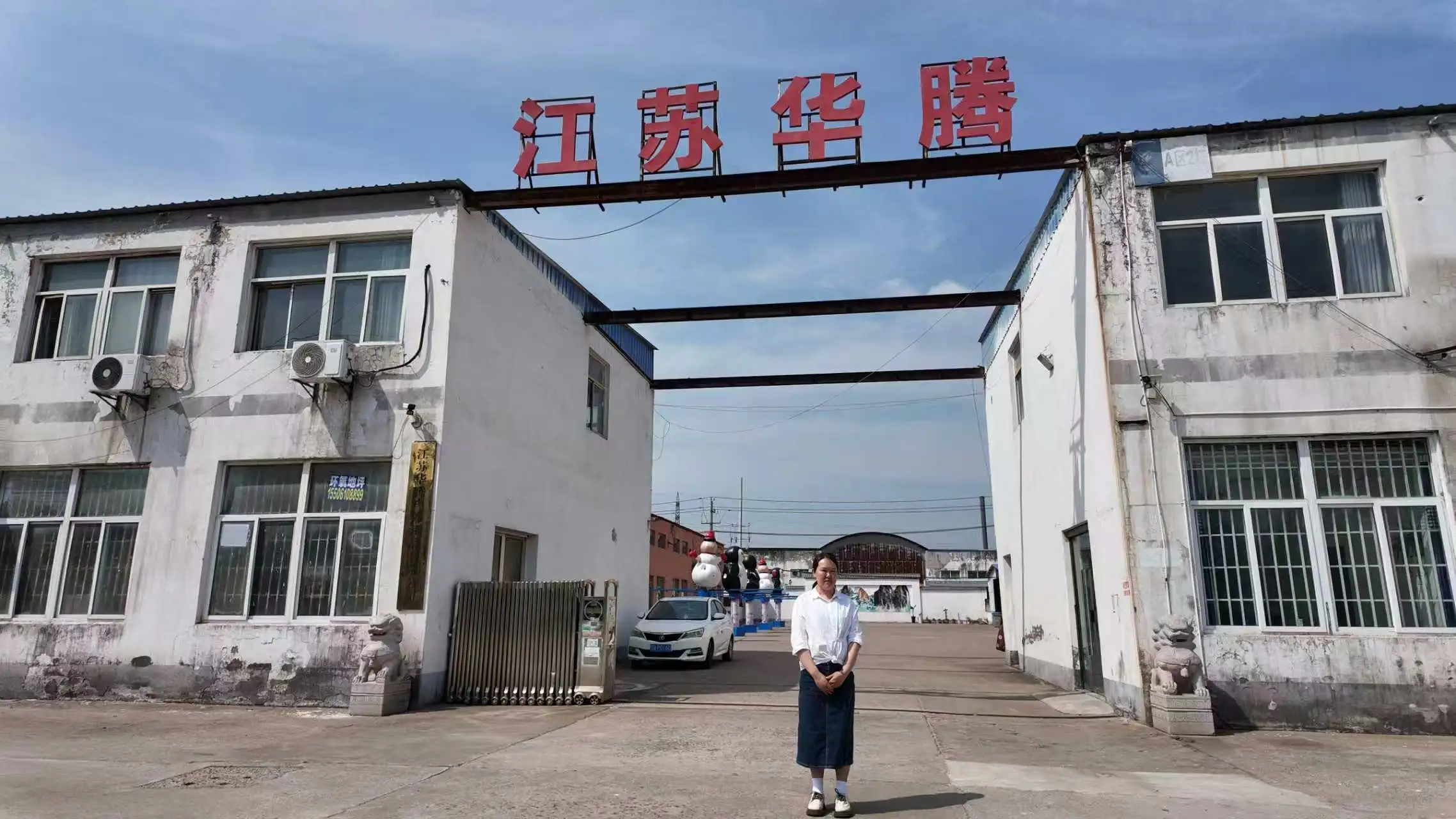
About QIQU: The Engineering Truth Behind How We Build Amusement Parks
QIQU is an amusement engineering company evolving from commercial inflatable systems to PE rotomolded park infrastructure. Built from real factory and park operations since 2012, we design amusement equipment based on real-world operational experience, not theory.
Read more