

Amusement Equipment Site Preparation: Lessons from Building QIQU Amusement Park
Based on QIQU's own 10.2-acre amusement park project in Suqian, Jiangsu, this case study shares practical site-preparation lessons for commercial amusement equipment buyers. It covers land clearing, drainage, ground leveling, paved areas, power planning and installation checks before equipment is delivered and installed. QIQU shares this experience as an amusement equipment manufacturer, not as a civil construction contractor.
Emily
Founder of QIQU
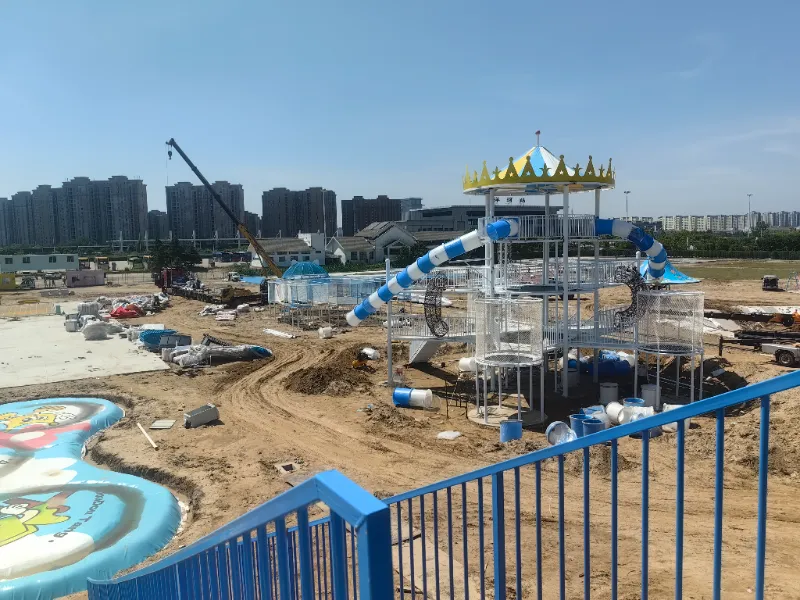
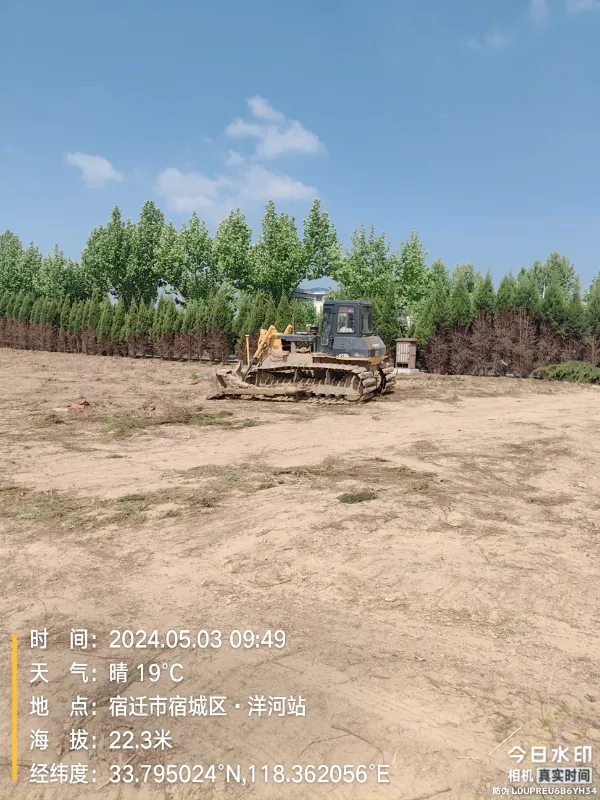 QIQU is a commercial amusement equipment manufacturer. This article is not written to present QIQU as a civil construction contractor or a park franchise operator. It is a record of what we learned while preparing our own 10.2-acre QIQU Amusement Park site in Yanghe New District, Suqian, Jiangsu, China.
The site was leased for our own park project in 2024. On May 3, 2024, the first major step was clearing the pine trees. At that time, the land was not close to being ready for amusement equipment. It was covered with dense pine trees, weeds, mud and standing water.
Before we built this park, we already understood amusement equipment from the factory side. After this project, we understood something different: a buyer does not only buy equipment. A buyer has to make the equipment work on real land, under real weather, with real visitors, staff, power supply, drainage and maintenance pressure.
That changed the way we talk with overseas buyers.
Land Clearing Was Only the First Step
 Drainage pipe installation at our Yanghe site, May 20, 2024. Personal details are blurred to protect our site manager's privacy.
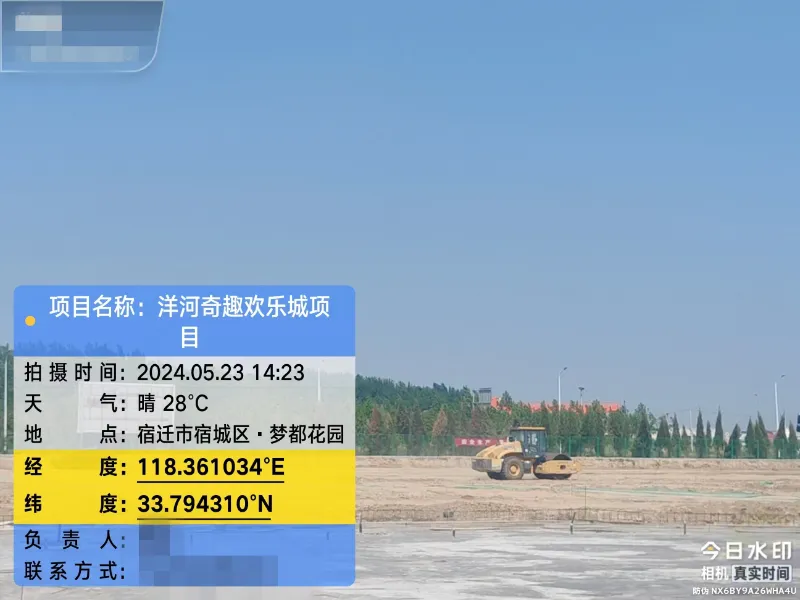
After the pine trees were removed, the site still needed ground leveling, drainage planning and basic surface preparation. About three to four weeks later, the first non-powered attractions began to arrive and installation started.
This sounds fast on paper. On site, it was not simple.
A piece of land can look large enough on a drawing, but the real condition decides what can be installed first. Low areas collect water. Soft soil slows down vehicles and workers. Mud affects both construction and visitor experience. Access roads, unloading space and temporary storage areas also matter before any equipment is placed.
For a commercial amusement project, site preparation should not be treated as a separate problem after the equipment is ordered. It should be part of the equipment selection process from the beginning.
Level Ground Still Had Drainage Problems
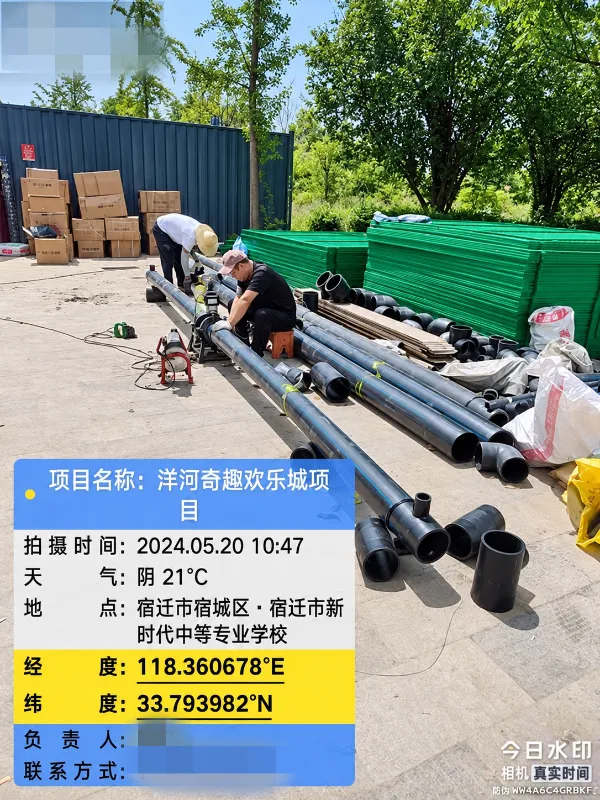 Drainage pipe installation at our Yanghe site, May 20, 2024. Personal details are blurred to protect our site manager's privacy.
One of the clearest lessons from our own site was drainage. Even after leveling work, some areas still collected water after rain.
We had to use a combination of drainage ditches, ground slope adjustment, drainage pipes and larger main drainage channels. Some side ditches were about 30 cm wide, while the main drainage channel in key areas was close to 1 m wide.
This was not cosmetic work. Poor drainage affects opening days, visitor movement, grass survival, electrical safety and equipment maintenance. It also changes how a park feels to visitors. Nobody wants to bring children into a muddy amusement area.
For outdoor amusement equipment buyers, the question is not only whether the land is flat. The better question is where the water goes after heavy rain.
Hard Ground Depends on the Equipment
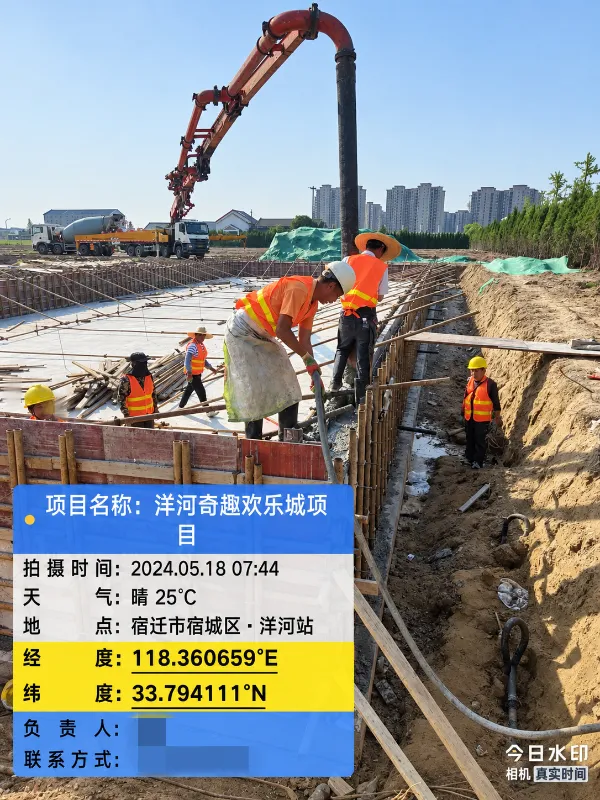
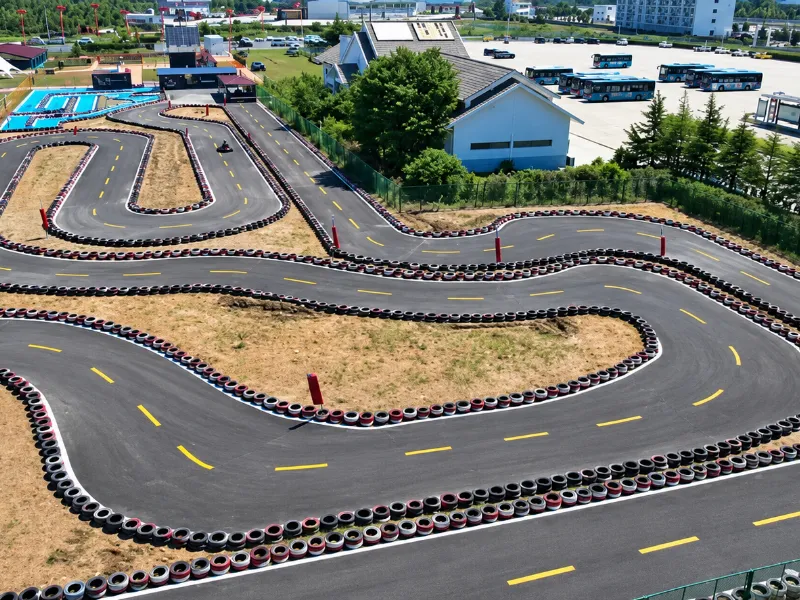 Different attractions need different ground conditions.
For the karting area, we used a stronger paved structure because the track needed a flatter surface, better load-bearing capacity and a reasonable turning layout. The karting area covered about 10 mu. Key paved areas used C30 reinforced concrete, followed by asphalt in the track area.
For the water areas, including the 800 m² standard adult swimming pool and the 2,200 m² water play pool, the base structure was heavier and more permanent. The pool base was about 20 cm thick.
There was another lesson here: concrete is not finished when it is poured. It needs curing. If it is not watered and maintained properly after pouring, cracks can appear later. Repairing those cracks with joint filler cost us extra money that could have been avoided with better guidance at the time.
This is one reason we now pay more attention when buyers send us site photos. The equipment choice and the ground condition must match each other.
Grass, Artificial Turf and the Visitor's First Impression
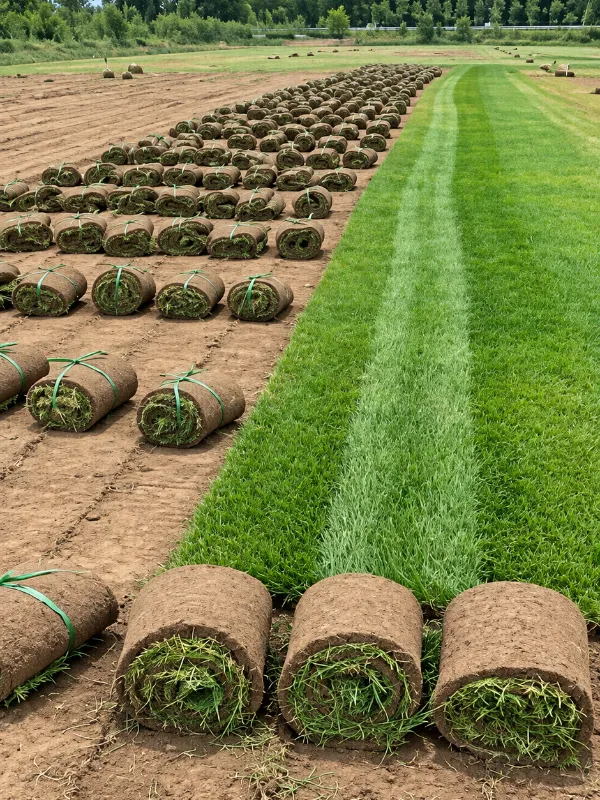
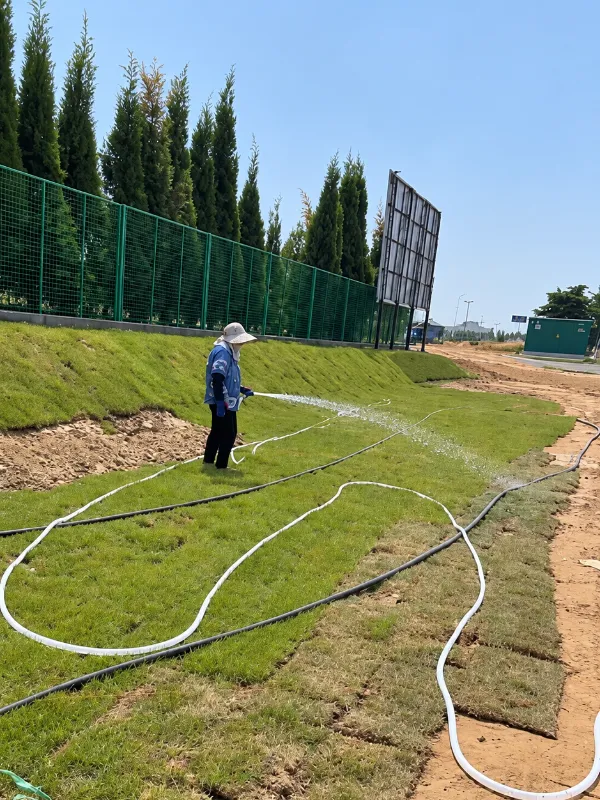 Large areas outside the paved zones, swimming pools and support-frame pool areas were originally still soil. We planted grass because the park could not look like an unfinished construction site.
Natural grass helped, but it was not easy to maintain under strong summer sunlight. Some areas had to be replanted. Early morning and evening planting worked better because the temperature was lower and the survival rate was higher.
Later, we also used a large amount of artificial turf. It was more stable for areas where appearance, mud control and visitor walking comfort mattered.
This may sound like a small detail, but it affects the customer experience. A visitor may not notice perfect ground preparation, but they will notice mud, dust, dead grass and messy walking areas.
Outdoor Powered Equipment Needs More Than a Socket
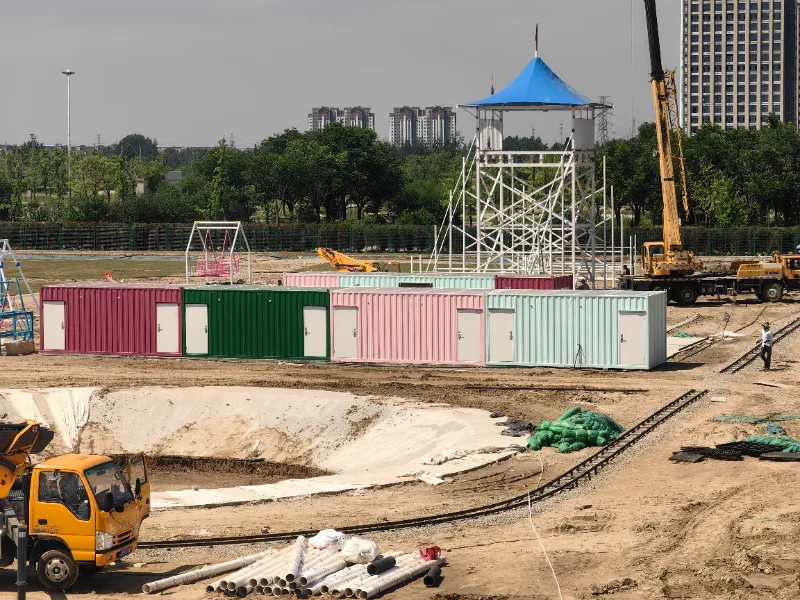 Power planning became much more complex than expected.
At the beginning, it is easy to think only about amusement rides. In reality, power is also needed for water treatment, sand filtration, pumps, powered rides, kitchen equipment, air conditioning, retail areas, ticketing systems, gates, shower hot-water equipment, lighting, LED strips, broadcasting systems and night operation.
In our park, the water treatment room alone was a major power load. Several powered attractions also needed separate circuits and control systems. The living and commercial service areas added more demand: food vendors, kitchens, air conditioners, stores, ticket machines and visitor facilities.
This experience made us more patient with buyers who hesitate, compare prices or ask many questions. After building our own park, we understand why they do that. A real project has too many moving parts, and equipment is only one part of the total decision.
Grid Bumper Cars Taught Us a Hard Outdoor Lesson
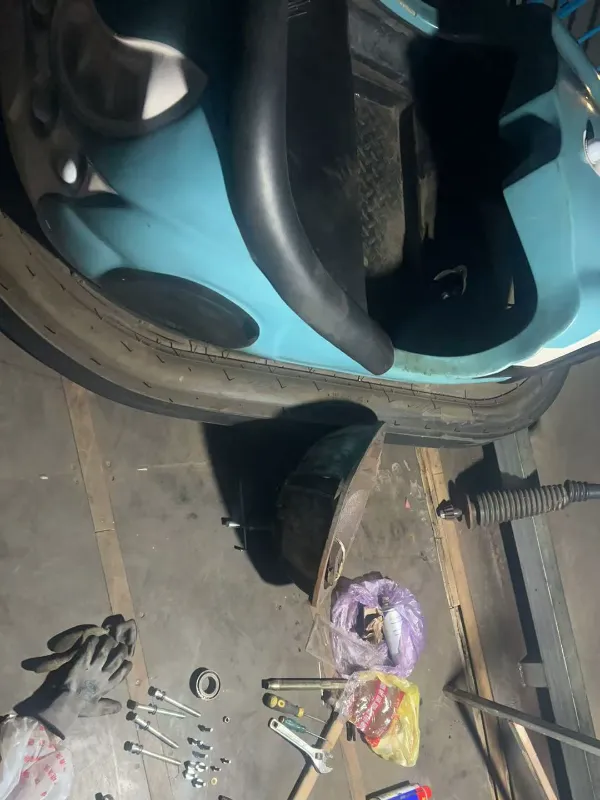 Some powered rides in our park were purchased from other manufacturers, including grid-powered bumper cars. These cars required a conductive floor system, which made the outdoor site much more sensitive to rain and moisture.
Waterproofing could not only be considered around the edges. During heavy rain and wind, water can be pushed into areas that look protected in normal weather. Once water affects the conductive floor, the result is not only an operating risk. Rust, poor contact and repeated electrical troubleshooting can follow.
We also experienced cases where cars stopped working during use and the problem had to be traced through the electrical system.
This does not mean every buyer should avoid grid bumper cars. It means outdoor buyers should understand the site requirements before choosing them. For many outdoor projects, battery bumper cars are easier to plan because they do not require a conductive floor system.
Equipment Quality and Installation Discipline Are Different Things
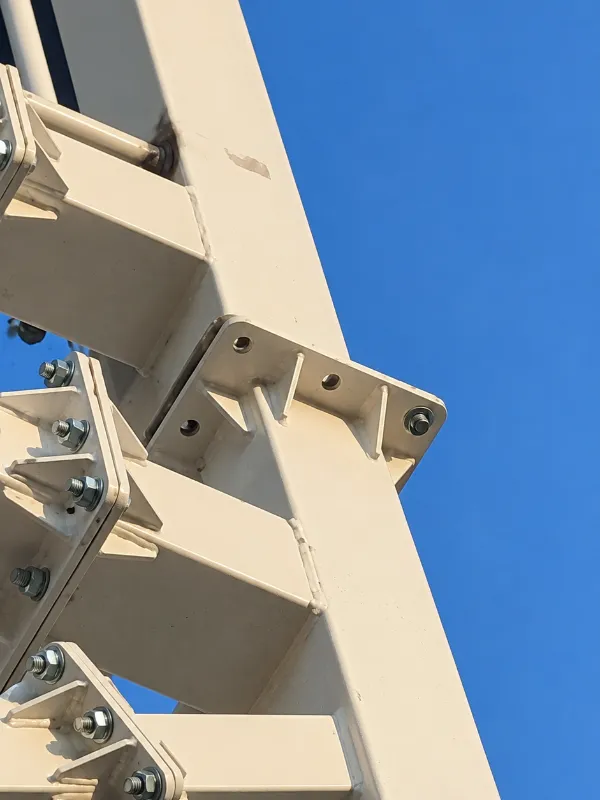
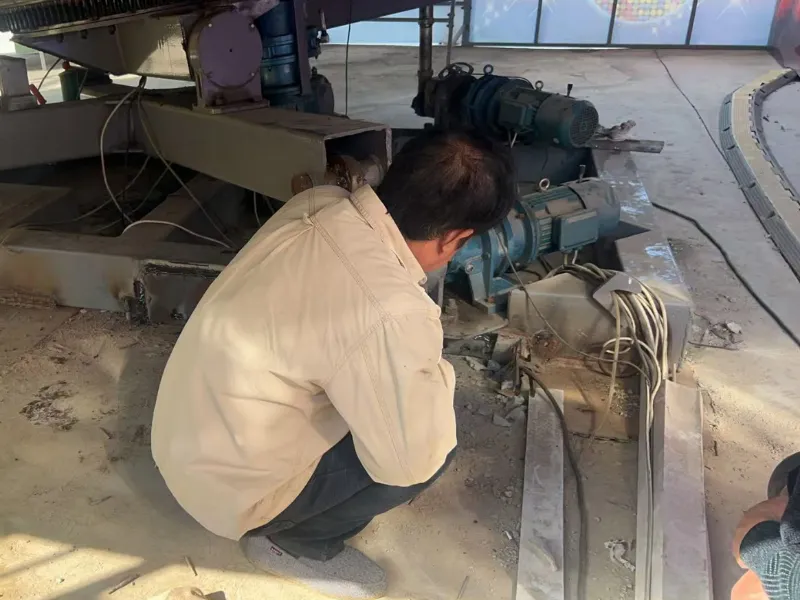 Repairing the broken axle of a third-party disco ride at our Yanghe park.
For the first stage of QIQU Amusement Park, some non-powered attractions and several powered rides were purchased from other manufacturers because our own factory was busy with existing orders at that time. QIQU can manufacture non-powered play equipment, but we did not have enough production time for that part of the park. Some powered rides were also outside our own product range.
We visited many factories in Zhengzhou before choosing suppliers. Even with industry experience, the result was not always smooth.
The equipment itself is one issue. Installation discipline is another. Missing fasteners, rushed assembly, careless wiring and workers who only want to finish quickly can create problems later. A supplier may deliver the product, but the final operating pressure stays with the park owner.
This was one of the most uncomfortable lessons from the project. As a manufacturer, we already knew quality mattered. As a park builder and operator, we learned how small installation details can become daily operating problems.
What This Means for Equipment Buyers
The point of sharing this case is not that every buyer needs to build a park the same way we did. The point is that site conditions should be discussed before the order is finalized.
A support-frame pool needs a level and stable area. Large inflatables need clean ground without sharp stones or obvious slope. Outdoor bumper cars need a suitable operating surface and weather plan. Karting equipment needs track space, turning radius and stronger pavement. Water attractions need drainage, filtration and visitor-flow planning.
If these issues are ignored, the equipment may still arrive on time, but the project can become harder to open, harder to maintain and harder to operate.
Why QIQU Shares These Field Notes
QIQU remains a commercial amusement equipment manufacturer. We do not provide overseas civil construction service. Local contractors, engineers and authorities should always handle local construction, electrical work and permits.
What we can do is help buyers think more clearly before they order equipment.
When a buyer sends us site photos, available dimensions, ground condition, drainage information, power supply, planned equipment list, visitor age group and expected opening season, we can give more practical product suggestions. We can also point out possible mismatches before production starts.
That is the real value of this park project for our customers. It gave us a more complete view of what happens after equipment leaves the factory.
A serious amusement project is not built by a quotation sheet alone. It needs honest planning, suitable equipment, careful installation and enough respect for the site itself.
Frequently Asked Questions
Everything you need to know about this product. Can’t find what you’re looking for? Contact our team.
- Commercial amusement equipment does not operate in isolation. Ground level, drainage, power supply, access space and installation conditions can all affect how the equipment performs after delivery. QIQU recommends checking the site before production so the equipment type, layout, quantity and accessories can be matched to the real operating area.
- No. QIQU is a commercial amusement equipment manufacturer. We share site-preparation lessons from our own QIQU Amusement Park project because these details affect equipment selection, installation and daily operation. For overseas projects, buyers should work with qualified local contractors for civil construction, electrical work, drainage and local approval.
- Useful information includes site photos, available dimensions, ground surface, drainage condition, power supply, planned equipment list, target visitor age group and expected opening season. Videos are also helpful, especially if the site has slopes, soft soil, standing water, narrow access roads or nearby buildings.
- Not always. A site can look flat but still collect water after rain. In our own park project, drainage remained an issue even after initial ground leveling. Buyers should check water flow, low areas, soil condition and the position of the main drainage outlet before installing outdoor amusement equipment.
- Large commercial inflatables should be placed on clean, level ground without sharp stones, exposed metal, broken concrete or obvious slopes. The surface must be suitable for anchoring and daily visitor movement. For long-term operation, buyers should also think about mud control, grass maintenance, artificial turf, drainage and how the area will look to visitors after rain.
- A support-frame pool needs a stable, level surface and a practical water-management plan. Buyers should confirm the pool size, ground bearing condition, drainage method, water supply, filtration arrangement and access for staff. If the pool is used for bumper boats or inflatable water attractions, the surrounding walking area should also be planned for safe entry, exit and supervision.
- Poor drainage can create mud, standing water, slippery walkways and equipment downtime. It can also affect electrical systems, metal parts and the visitor's first impression of the venue. In outdoor parks, drainage should be considered together with ground slope, side ditches, drainage pipes and the main drainage channel, not treated as an afterthought.
- Grid-powered bumper cars can be used outdoors, but they need more careful site preparation because the conductive floor system must be protected from rain and moisture. Heavy rain, wind-driven water and poor waterproofing can create safety concerns and maintenance problems. For many outdoor buyers, battery bumper cars are easier to plan because they do not require a conductive floor system.
- Buyers often calculate power only for the amusement rides. In a real park, electricity may also be needed for water treatment, pumps, food stalls, kitchens, air conditioning, ticketing systems, gates, showers, lighting, signage, sound systems and night operation. A practical power plan should be reviewed before equipment installation, especially when several powered rides and commercial facilities operate at the same time.
- Equipment quality and installation discipline are two different things. Missing fasteners, careless wiring, rushed assembly or poor waterproofing can create problems even when the product looks acceptable at delivery. QIQU recommends checking key installation details on site before opening to visitors, especially for powered rides, elevated structures, anchoring systems and water-area equipment.
- QIQU can review the buyer's site photos, dimensions, ground condition, planned equipment list and target visitor group before quotation. Based on that information, we can suggest suitable equipment types, basic layout considerations and product configurations. This does not replace local engineering or construction work, but it helps buyers avoid ordering equipment that does not fit the site.
Ready to Apply These Strategies?
Get a custom ROI projection and layout plan for your specific project.
Request a Free ConsultationRelated Articles
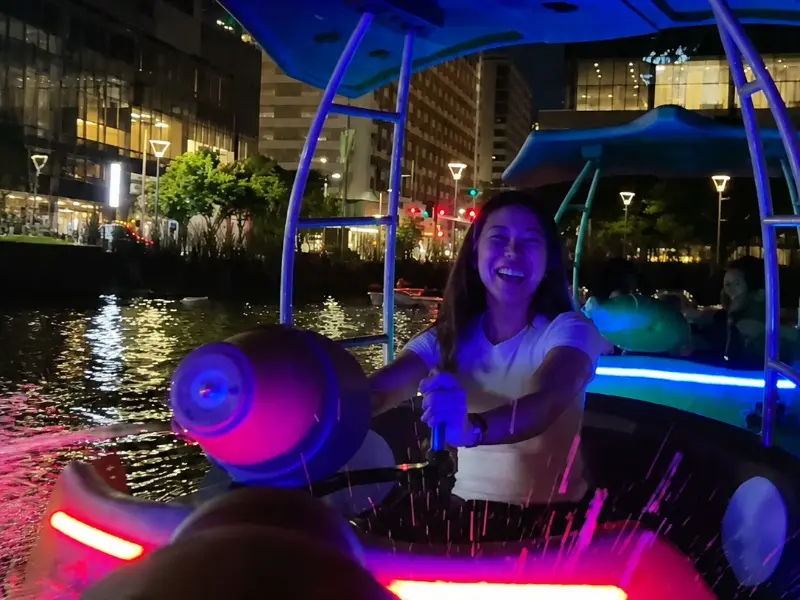
Houston Commercial Bumper Boat Case Study: How QIQU Turned a City Lake into a Viral Water Attraction
A deep commercial bumper boat case study from Houston, Texas. See how QIQU self-developed bumper boats became a viral urban water attraction at Discovery Green, gained coverage from local TV, newspaper, city guides, travel platforms and hotel event pages, generated 10M+ combined social media engagements, and proved real visitor demand in a U.S. park operation.
Read more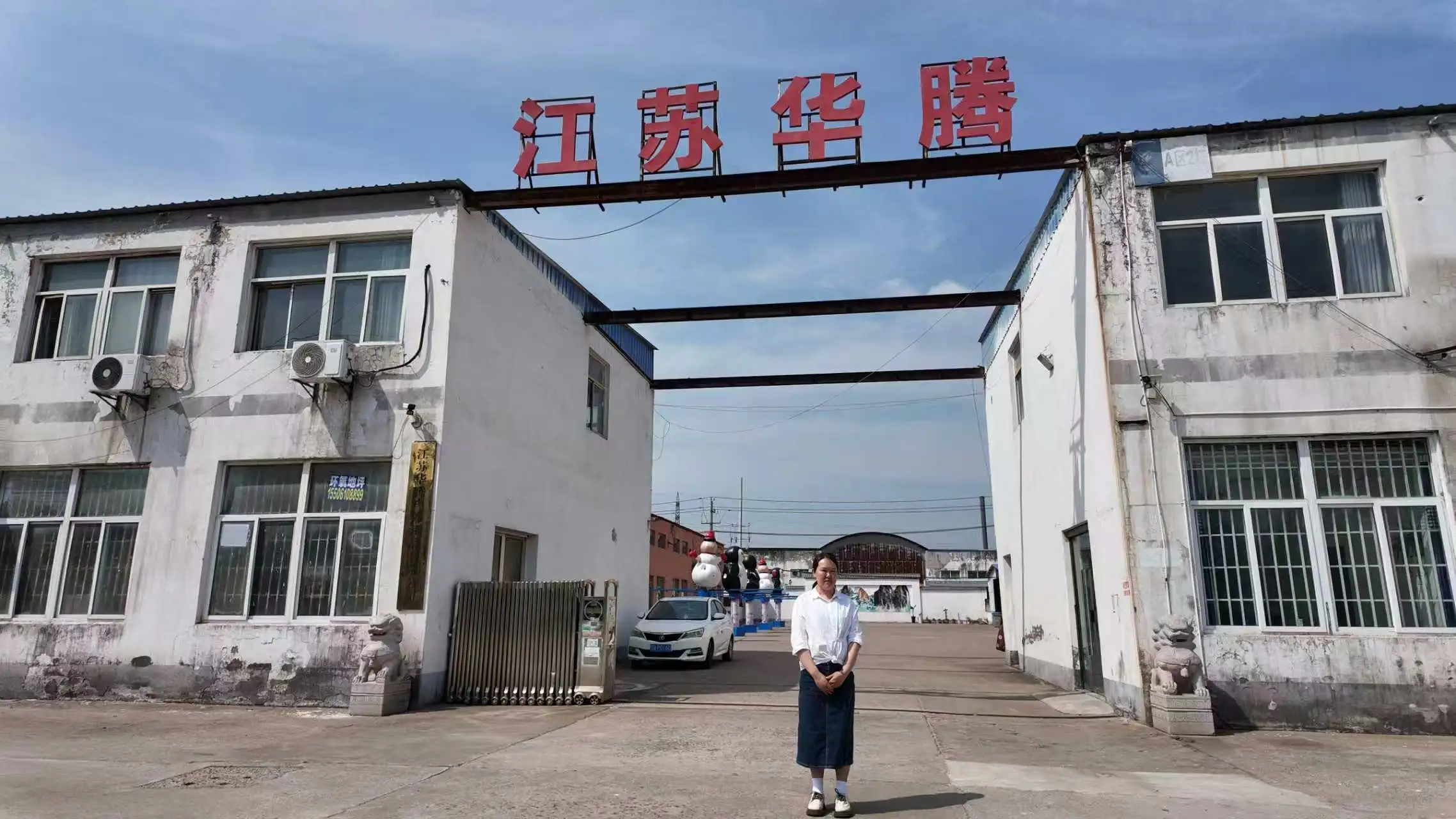
About QIQU: The Engineering Truth Behind How We Build Amusement Parks
QIQU is an amusement engineering company evolving from commercial inflatable systems to PE rotomolded park infrastructure. Built from real factory and park operations since 2012, we design amusement equipment based on real-world operational experience, not theory.
Read more